2026 Best Solar Pond Aerator Fountains for Global Buyers
Choosing the right Pond Aerator Fountain Solar system in 2026 requires more than comparing panel wattage or fountain height. Global buyers face different pond sizes, climates, water temperatures, electrical standards, and maintenance conditions. A quiet backyard pond in Germany needs a different solution from a warm aquaculture pond in Kenya or a resort lake in Australia.
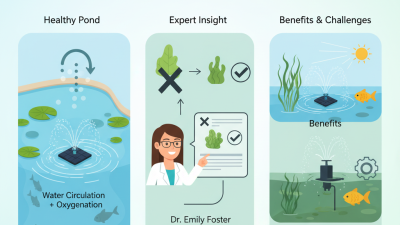
Aquaculture specialist Dr. Claude E. Boyd has repeatedly emphasized, “Aeration is one of the most important management practices in aquaculture.” His insight remains highly relevant. Solar aeration supports oxygen circulation, reduces stagnant zones, and may improve water appearance when correctly sized. However, no model works perfectly everywhere. That is an important limitation.
This guide examines the best Pond Aerator Fountain Solar options for international purchasing decisions. It considers pump performance, solar-panel output, battery storage, fountain coverage, operating depth, noise, corrosion resistance, and replacement-part access. A bright panel does not guarantee strong nighttime aeration. Cloudy weather matters. So does winter.
Practical testing also reveals small details. A clogged intake can weaken the spray within days. A short cable can complicate installation beside a wide pond. Some floating units drift toward the bank during wind. These issues seem minor until daily maintenance becomes difficult.
Reliable buyers should check warranty terms, safety documentation, local import requirements, and supplier communication. Product claims deserve verification. Even experienced reviewers can overlook regional conditions. Our comparison therefore balances published specifications with real-world usability, helping buyers choose a durable and responsible solar aeration solution.
What Is a Solar Pond Aerator Fountain?
2026 Best Solar Pond Aerator Fountains for Global Buyers
What Is a Solar Pond Aerator Fountain?
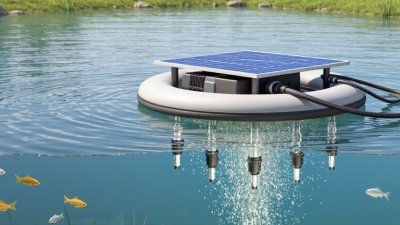
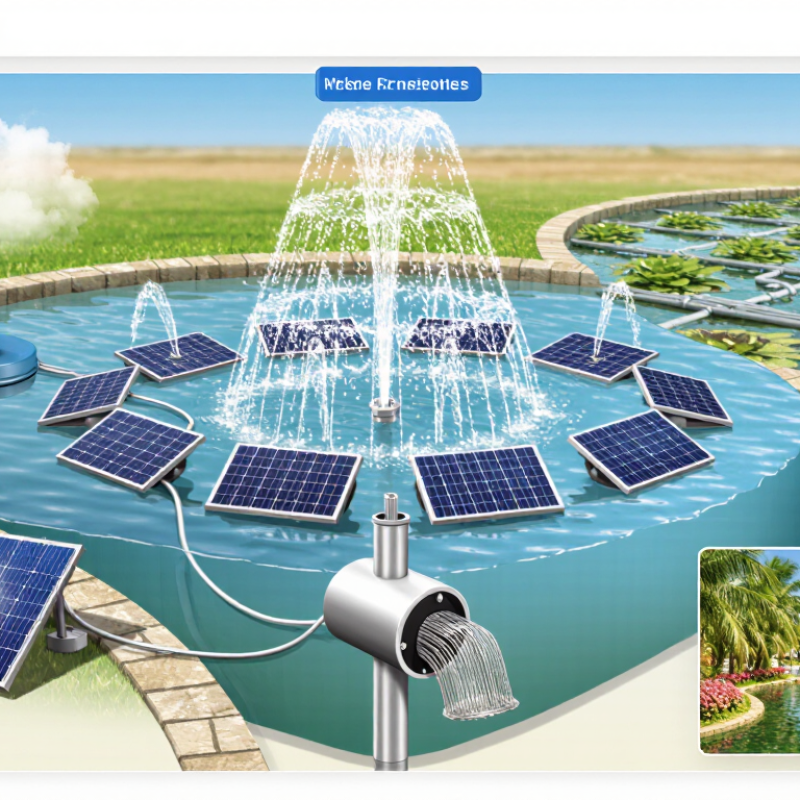
A solar pond aerator fountain is a floating or shoreline device that adds oxygen to pond water. It uses a solar panel to power a small pump, usually during daylight. The pump pulls water upward and sprays it through a nozzle. This creates droplets, surface movement, and contact with the air.
Oxygen matters. Better circulation can support fish, beneficial microorganisms, and clearer water. It may also reduce stagnant areas where odors develop. In practical pond inspections, water movement often improves near the fountain first. Deeper zones may still remain poorly circulated. This detail is easy to miss.
A typical system includes a solar panel, pump, float, nozzle, cable, and protective filter. Some models use a battery, allowing limited operation after sunset. Performance depends on sunlight, panel angle, water depth, and nozzle height. Cloudy weather can reduce spray strength. Heavy leaves can block the intake.
Sizing requires more than checking the pond’s surface area. Fish numbers, organic waste, algae growth, and local temperatures also matter. A small fountain may look attractive but provide modest aeration. A larger unit may create excessive flow in a delicate pond. Measure carefully. It is not a complete water-management system. Regular cleaning and occasional dissolved-oxygen testing remain sensible, especially during hot weather.
2026 Best Solar Pond Aerator Fountains for Global Buyers
What Is a Solar Pond Aerator Fountain?
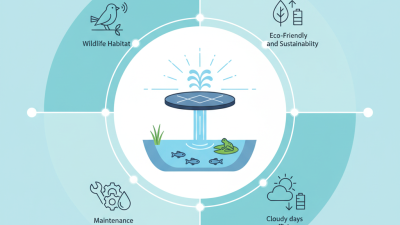
A solar pond aerator fountain uses photovoltaic energy to power a pump or air diffuser, adding oxygen and improving water circulation. The chart shows practical planning ranges for solar panel capacity by pond surface area. Actual requirements vary with pond depth, water temperature, sunlight availability, fountain height, and aerator efficiency.
How Solar Pond Aerator Fountains Work
2026 Best Solar Pond Aerator Fountains for Global Buyers
How Solar Pond Aerator Fountains Work
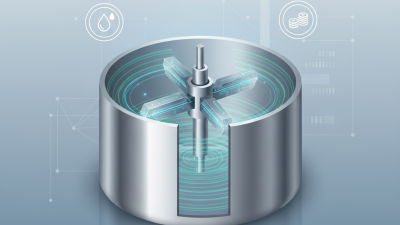
Solar pond aerator fountains convert sunlight into water movement and oxygen transfer. A photovoltaic panel produces direct current during daylight hours. The controller sends this power to a small pump or air compressor. As the impeller spins, it draws pond water upward and pushes it through a nozzle. The spray breaks into droplets, increasing contact with air before returning to the pond.
Some models use a diffuser instead of a spray nozzle. The compressor pushes air through weighted tubing and fine bubbles. These bubbles rise slowly, pulling deeper water toward the surface. This circulation can reduce stagnant zones near muddy edges. It also helps distribute dissolved oxygen more evenly. The effect depends on bubble size, pump pressure, water depth, and fountain placement.
Bright sunlight gives stronger performance. Cloud cover reduces output, sometimes sharply. A battery can extend operation after sunset, but it adds weight, cost, and maintenance. Field testing often reveals uneven aeration in corners or behind dense plants. That is easy to overlook. Keep the panel free from dust and check the intake for leaves each week. A practical test uses a dissolved oxygen meter at several pond locations, not only beside the fountain. Results may change with temperature, algae growth, and water level.
Key Features for Global Buyers to Compare
2026 Best Solar Pond Aerator Fountains for Global Buyers
Key Features for Global Buyers to Compare
Global buyers should compare real aeration output, not only solar wattage. Pump flow changes with sunlight, water depth, nozzle height, and battery capacity. A larger panel may perform poorly under cloudy skies or partial shading. Check flow rates at the stated head height. Catalog figures can be optimistic.
The IEA Renewables 2024 report forecasts more than 5,500 gigawatts of new renewable capacity worldwide by 2030, with solar power providing most additions. This expansion makes component quality more important for remote pond installations. Look for photovoltaic modules tested under IEC 61215 and IEC 61730 requirements. These standards address module performance and electrical safety. For outdoor equipment, verify the enclosure rating under IEC 60529. IP ratings are useful, but they do not replace proper installation.
Battery storage deserves close attention. Compare usable capacity, charging time, low-temperature performance, and replacement access. A fountain that stops after two cloudy days may not suit aquaculture, irrigation ponds, or decorative sites. Noise, floating stability, cable length, and filter cleaning also affect daily use. I would not trust a flow claim without test conditions. Ask for solar irradiance, water depth, and operating-duration data. Local service matters too. Spare pumps and clear manuals can reduce downtime, especially when shipping takes weeks. The Global Solar Atlas can help buyers estimate local solar resources, though seasonal weather still requires caution.
2026 Best Solar Pond Aerator Fountains for Global Buyers - Key Features for Global Buyers to Compare
| Configuration |
Recommended Pond Size |
Solar Panel Rating |
Maximum Water Flow |
Maximum Lift |
Aeration Method |
Typical Aeration Depth |
Battery Storage |
Operating Modes |
Protection Features |
Best Use Case |
| Compact Floating Fountain |
Up to 15 m² |
5–10 W |
150–350 L/h |
0.5–0.9 m |
Surface fountain with splash aeration |
Up to 0.8 m |
None |
Daylight operation only |
Low-voltage DC motor; dry-run protection varies by model |
Small ornamental ponds, garden water features, and demonstration areas |
| Standard Floating Fountain |
15–40 m² |
15–25 W |
500–900 L/h |
0.9–1.5 m |
Surface fountain with oxygen transfer from water circulation |
Up to 1.2 m |
Optional small battery pack |
Direct solar; optional battery-supported operation |
IPX4–IPX7 rated components, depending on the product design |
Residential ponds and small landscape water bodies |
| Deep-Water Air Pump |
25–80 m² |
20–40 W |
Air output: 15–35 L/min |
Not applicable; air diffuser system |
Bottom diffuser with compressor-driven air bubbles |
1.5–3.0 m |
Optional battery pack |
Daylight operation; controller-based scheduling on selected systems |
Overload protection; weather-resistant enclosure recommended |
Deeper ponds where bottom-water circulation is more important than fountain height |
| Hybrid Fountain Aerator |
40–120 m² |
40–80 W |
1,000–2,000 L/h |
1.2–2.0 m |
Surface fountain combined with air diffuser or venturi aeration |
1.5–2.5 m |
10–30 Ah lithium battery, depending on configuration |
Solar, battery, timer, and low-light start modes |
Overcurrent protection; float stability system; sealed cable connections |
General-purpose pond aeration where appearance and oxygenation are both priorities |
| Large Floating Aerator |
100–300 m² |
100–200 W |
2,500–5,000 L/h |
1.5–2.5 m |
High-volume surface circulation with optional diffuser support |
2.0–3.5 m |
30–80 Ah lithium battery |
Programmable timer; daylight and battery backup modes |
IPX7 pump assembly; corrosion-resistant float and mounting hardware |
Farm ponds, fish ponds, and medium-sized decorative water bodies |
| Off-Grid Commercial Aeration System |
300–1,000 m² |
250–600 W |
Air output: 60–150 L/min |
Not applicable; multiple diffuser system |
Shore-mounted or floating compressor with multiple bottom diffusers |
2.5–5.0 m |
80–200 Ah battery bank or solar-direct operation |
Programmable controller, scheduled aeration, and battery priority mode |
Outdoor-rated controller; circuit protection; replaceable air filters |
Large ponds, aquaculture support, irrigation reservoirs, and remote installations |
Comparison note: Performance depends on sunlight intensity, water temperature, pond depth, diffuser design, tubing length, wind, shading, and water quality. Maximum flow and lift are normally measured under ideal conditions; buyers should request test results at the intended operating depth and confirm local electrical, import, warranty, and replacement-part requirements.
Installation, Maintenance, and International Buying Considerations
Solar pond aerator fountains in 2026 need careful installation, not just attractive specifications. Place the floating unit where water circulation can reach most of the pond. Keep the solar panel away from tree shadows, roof edges, and frequent foot traffic. In the Northern Hemisphere, a south-facing position usually receives stronger sunlight; reverse this orientation in the Southern Hemisphere. Secure the panel frame against wind. A loose panel can damage cables within one storm.
Check the pond depth, surface area, and expected aeration rate before buying. A fountain designed for a small garden pond may perform poorly on a large farm reservoir. During installation, remove packaging debris and confirm that the intake is clear. Keep the pump above thick sediment. It sounds obvious, but this mistake is common. Cloudy weather will reduce output, especially when the system lacks battery storage. Buyers should accept that performance will change daily.
Maintenance usually involves rinsing the intake screen every one or two weeks during warm seasons. Inspect connectors for moisture, clean mineral deposits from the nozzle, and remove leaves before they block circulation. Store removable parts before freezing weather. For international purchases, confirm panel dimensions, battery type, cable length, spare-part availability, packaging strength, and destination-country import requirements. Ask for test data under realistic sunlight, not only laboratory conditions. Warranty terms may be difficult to use across time zones. That detail deserves attention. A lower purchase price can become expensive when replacement parts take months to arrive.