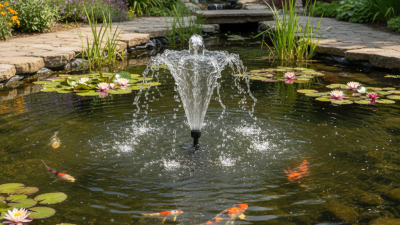
Best Floating Water Fountain Designs for 2025 to Elevate Your Outdoor Space
As we look ahead to 2025, the allure of outdoor spaces continues to evolve, with a rising trend in unique and captivating features that enhance the ambiance of gardens, patios, and lakesides. Among these enchanting additions, **Floating Water Fountains** stand out as a perfect blend of elegance and tranquility. These innovative designs not only elevate the aesthetic appeal of any outdoor environment but also create a soothing atmosphere that beckons relaxation and reflection.
Floating Water Fountains come in various styles, materials, and sizes, making them versatile enough to suit any landscape design. Whether aiming for a modern look or seeking to complement a classic garden, these fountains provide a striking focal point, drawing attention and admiration. As homeowners increasingly seek to transform their outdoor areas into serene escapes, the incorporation of water features, particularly Floating Water Fountains, has become a popular choice for enhancing both beauty and serenity.
In this article, we will explore the best Floating Water Fountain designs for 2025, showcasing how these stunning features can not only beautify outdoor spaces but also promote a sense of calm and connection with nature. From minimalist styles to elaborate creations, there’s a perfect Floating Water Fountain waiting to elevate your outdoor experience.
Innovative Features of Floating Water Fountains for 2025
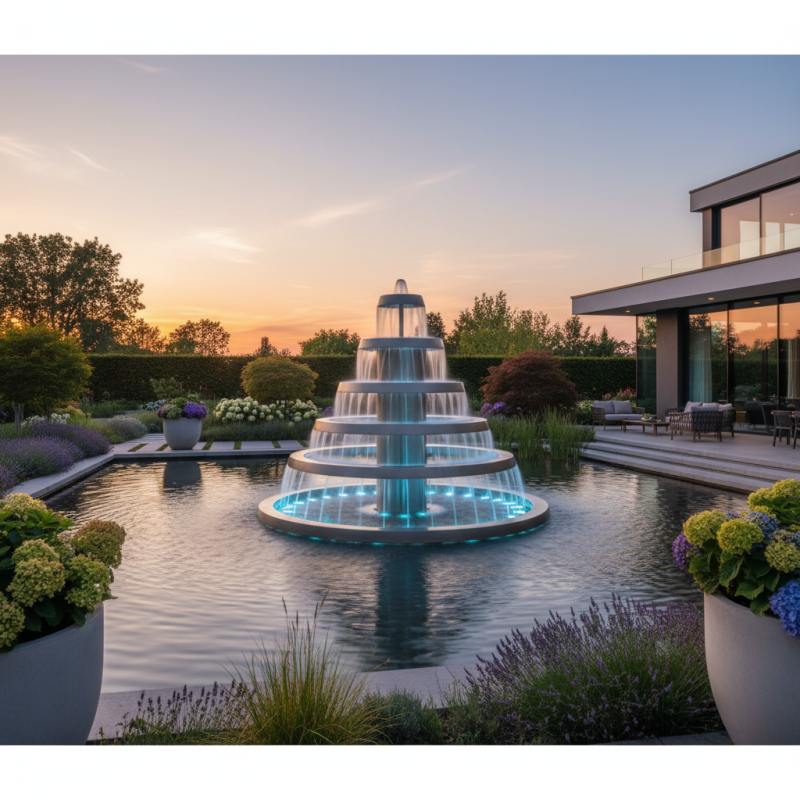
Floating water fountains are set to transform outdoor spaces in 2025 with innovative features that enhance both aesthetics and functionality. These modern designs incorporate smart technology, allowing for programmable lighting and customizable water patterns that can be adjusted to suit any occasion or mood.
From color-changing LED lights to dynamic jets that create mesmerizing displays, these fountains can become the centerpiece of your garden or pool area, captivating guests and creating a serene atmosphere.
Another notable trend is the integration of eco-friendly materials and energy-efficient systems. Many floating fountains are now built with solar-powered pumps and sustainable components, reducing their environmental impact while maintaining performance.
Additionally, some designs include features that promote wildlife, like birdbaths or fish habitats, encouraging biodiversity in outdoor spaces. These advancements not only elevate the visual appeal of gardens and patios but also align with sustainable practices, making floating water fountains a perfect addition to the modern outdoor lifestyle.
Top Design Trends in Floating Water Fountains for Outdoor Spaces
Floating water fountains have emerged as a vital element in enhancing the aesthetics of outdoor spaces, with design trends for 2025 reflecting a blend of innovation and nature-inspired artistry. According to a recent report by the Landscape and Nursery Association, the demand for decorative water features has surged by 35% over the past two years as homeowners seek to create tranquil environments. This trend indicates a growing appreciation for outdoor living spaces that act as extensions of the home, facilitating relaxation and social interaction.
One of the top design trends for floating water fountains is the incorporation of smart technology. Advanced features such as LED lighting and automated water patterns not only add visual appeal but also provide customizable experiences for users. The Irrigation Association reveals that 70% of outdoor enthusiasts prefer interactive fountains that can be programmed to change their display, depending on the occasion or mood. Furthermore, eco-friendly designs that utilize solar energy have gained traction, aligning with the increasing consumer interest in sustainability. This approach not only reduces energy costs but also complements the natural beauty of outdoor spaces, making them more inviting and environmentally conscious.
The emergence of contemporary minimalist styles is also noteworthy, as many homeowners lean towards sleek and elegant designs that blend seamlessly with their landscapes. According to a study by the National Association of Landscape Professionals, 60% of homeowners favor water features that possess clean lines and understated aesthetics over ornate or traditional counterparts. This shift suggests a broader movement toward creating spaces that prioritize serenity and simplicity, allowing natural elements to take center stage. As we move into 2025, floating water fountains are set to evolve into essential components of outdoor design, enhancing both visual appeal and the overall atmosphere of residential landscapes.
Considerations for Choosing the Right Floating Water Fountain
When selecting the perfect floating water fountain for your outdoor space, there are several key considerations to keep in mind. First, think about the size of the fountain relative to your pond or pool. A fountain that is too small may be overwhelmed by the surrounding environment, while one that is too large can create an imbalance, detracting from the overall aesthetic. Additionally, consider the fountain's height and spray pattern; different designs create varying effects that can enhance or detract from your landscape’s beauty.
Another important factor is the fountain’s material and durability. Opt for options that can withstand the outdoor elements, ensuring longevity and minimal maintenance. Materials such as high-quality plastics or stainless steel are often recommended for their resilience. Furthermore, take into account the power source for the fountain. Solar-powered options offer eco-friendly benefits and can save on energy costs, while electric versions may provide more powerful performance. By focusing on these considerations, you can select a floating water fountain that not only elevates your outdoor space but also aligns with your practical needs and design aesthetic.
Maintenance Tips for Keeping Your Floating Water Fountain Pristine
Maintaining a floating water fountain can significantly enhance the longevity and aesthetic appeal of your outdoor space. According to a report by the National Association of Landscape Professionals, regular maintenance can increase the life of water features by up to 50%. Keeping your fountain pristine not only contributes to the overall beauty of your garden but also ensures the health of the water system and surrounding ecosystem.
One key tip for maintenance is to routinely check and clean the pump. Debris like leaves and algae can clog the pump, leading to reduced water flow and potential damage. A thorough cleaning once a month, alongside bi-weekly inspections, can prevent buildup. Additionally, it's essential to monitor the water levels—especially during hot summer months when evaporation can occur rapidly. Keeping the water balanced ensures that the fountain operates efficiently and minimizes the risk of malfunction.
Another consideration is controlling algae growth. Using a natural algaecide and opting for quality filtration can help maintain clear, sparkling water. Regularly changing a portion of the water, ideally every few weeks, not only reduces algae but also keeps the fountain looking fresh. These practices help create a vibrant aquatic environment, allowing your floating water fountain to sparkle and serve as a stunning centerpiece in your outdoor oasis.
Best Materials for Durable and Aesthetic Floating Water Fountains
When it comes to selecting materials for floating water fountains, durability and aesthetic appeal are paramount considerations. According to a report by the International Water Feature Association, the key materials that stand out in the market include stainless steel, fiberglass, and high-density polyethylene (HDPE). Stainless steel is renowned for its resistance to corrosion and rust, making it an ideal choice for floating fountains exposed to varying water conditions. Its sleek finish adds a modern touch that seamlessly integrates with diverse outdoor environments, enhancing visual appeal.
Fiberglass, on the other hand, is increasingly favored for its lightweight properties and versatility in design. The material can be molded into intricate shapes, allowing for creative and unique fountain designs that cater to personal tastes and outdoor aesthetics. A study conducted by the Garden Water Feature Association highlighted that fiberglass floating fountains can last over 20 years with proper maintenance, making them a practical investment for outdoor spaces. Additionally, HDPE offers a cost-effective and resilient alternative. This material is UV-resistant and has excellent impact resistance, ensuring that the fountain remains attractive and functional throughout its life cycle.
In selecting the best materials for floating water fountains, it’s crucial to consider local climate and environmental factors. Materials like stainless steel and fiberglass not only provide durability but also allow for the incorporation of diverse finishes and textures that elevate outdoor spaces. Emphasizing these elements can significantly enhance the overall ambiance of gardens and patios, making them more inviting and appealing for gatherings or relaxation.