2026 Best Screw Filter Press for Efficient Filtration Needs?
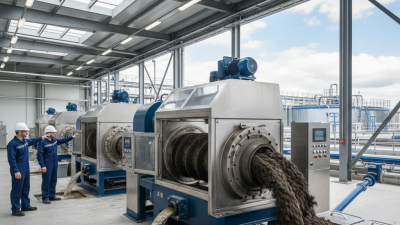
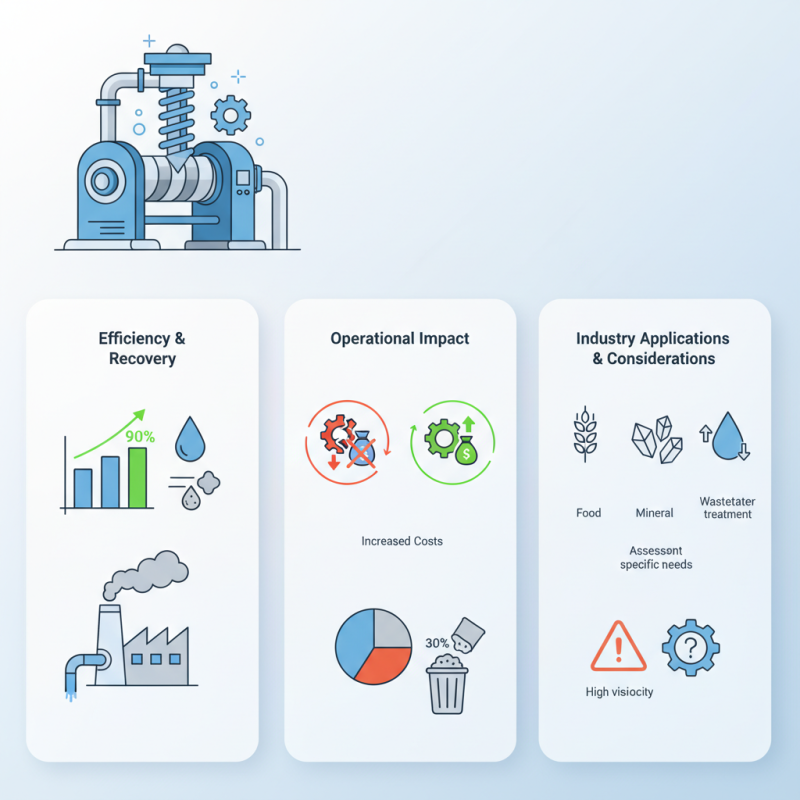
In the modern industrial landscape, the demand for efficient filtration systems is higher than ever. The Screw Filter Press stands out due to its capacity to handle varying sludge conditions. Recent industry reports indicate that this technology can achieve up to 90% solids recovery, making it a preferred choice for wastewater treatment facilities.
Moreover, operators emphasize the importance of selecting the right equipment. A poorly chosen filter press can lead to increased operational costs and decreased efficiency. Research shows that improper filtration methods can waste up to 30% of resources. Thus, understanding the nuances of the Screw Filter Press is vital for optimizing production processes.
Investing in a high-quality Screw Filter Press can lead to significant long-term savings. Many industries, from food processing to mineral refining, are turning to this technology. Nevertheless, users must be aware of certain limitations. While effective, some models may struggle with highly viscous materials. Therefore, assessing specific filtration needs is essential before making a decision.
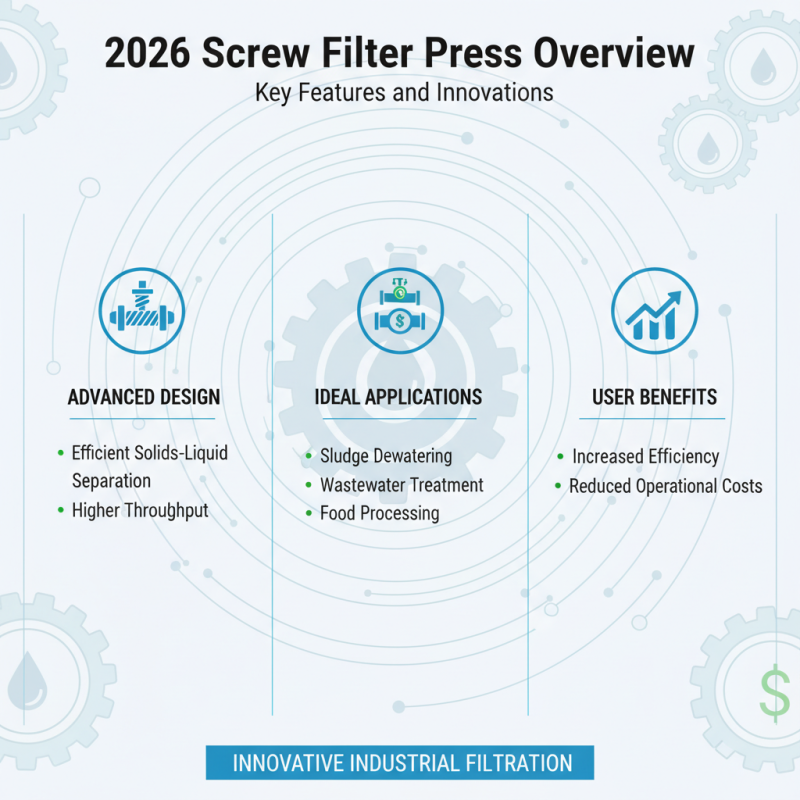
2026 Screw Filter Press Overview: Key Features and Innovations
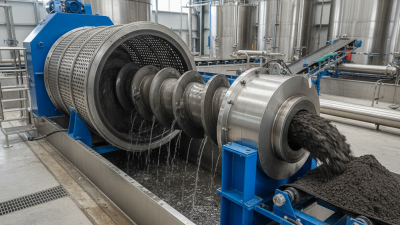
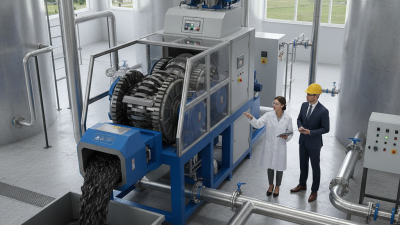
The 2026 Screw Filter Press brings innovation to industrial filtration. Its advanced design allows for efficient separation of solids from liquids. This makes it ideal for sludge dewatering, wastewater treatment, and food processing applications. Users benefit from higher throughput rates and reduced operational costs.
Key features include a compact footprint and automated controls. These advancements enhance usability in limited space environments. Maintenance is simplified, which minimizes downtime. However, some operators may still find learning curves with new software interfaces challenging.
Another significant innovation is environmental sustainability. Many units are designed to minimize energy consumption and waste generation. Despite these advancements, there’s room for improvement in material durability and long-term reliability. Regular assessments will help manufacturers refine these aspects, ensuring optimal performance. In a rapidly evolving market, staying informed is essential for operators to maximize their filtration systems.
Efficiency Metrics: Filtration Rate and Energy Consumption in 2026 Models
In 2026, screw filter presses are becoming sought after for efficient filtration needs. Filtration rate and energy consumption are vital efficiency metrics to consider. A higher filtration rate often indicates a better-performing machine, but it may require more energy. Finding the right balance is crucial for operational efficiency. Users should carefully analyze these metrics to make informed decisions.
Energy consumption plays a significant role in overall operating costs. While some models may provide impressive filtration rates, they can consume excessive energy, leading to higher expenses. Potential buyers need to evaluate the specific requirements of their processes. It is beneficial to compare multiple models based on actual performance data and consult industry reports for insights.
Adopting new technology can enhance filtration performance, yet it may present challenges. Some models may not integrate seamlessly into existing systems. This could lead to unexpected downtime or operational inefficiencies. Conducting thorough research into each option is essential. It can aid in identifying not only the best filtration rates but also the most sustainable energy practices.
Material and Design Analysis: Impact on Filtration Performance
When selecting a screw filter press,
material and design are crucial for optimal filtration performance.
Stainless steel and polypropylene are popular choices due to their durability and resistance to corrosive substances.
The choice of material directly impacts the longevity and efficiency of filtration. For example,
stainless steel structures often withstand high pressures,
enhancing their filtration capabilities. On the other hand, polypropylene
is lighter and can be cost-effective for simpler applications.
Design elements also play a significant role. The configuration of plates and the spacing between them determine how well the press can separate solids and liquids. It's essential to consider factors like the sludge characteristics and flow rates. A well-designed system increases the rate of dehydration and reduces energy consumption. However, improper design may lead to inefficient filtration and wasted resources.
Tips: Evaluate the specific requirements of your filtration task.
Customized solutions may often perform better. Additionally, regular maintenance can prolong the lifespan of your filter press.
Keep an eye on wear and tear. If the system shows signs of inefficiency, it may need an upgrade in materials or design.
A thoughtful approach can yield better filtration outcomes.
Comparative Study of Top Brands: Reliability and Maintenance Costs
When selecting a screw filter press, understanding the reliability and maintenance costs is crucial. Many users face challenges after purchase. Some find that their chosen model requires frequent repairs, leading to unexpected expenses. It's essential to research the long-term value of a filter press, not just its initial price.
Cost-effective filtration is not purely about purchasing a low-cost option. Quality often demands a higher price tag up front, but may lead to savings over time. Regular maintenance can become a burden. In some cases, manufacturers offer extended warranties. This can be a sign of their confidence in the product. Comparing features and user reviews is vital. Look for insights about durability and ease of service.
Not all brands reveal hidden costs. Users may overlook replacement parts or service contracts. These can significantly impact total ownership costs. Gathering information from reliable sources is imperative. Engaging with industry experts provides valuable perspectives. Learn from others’ experiences to avoid common pitfalls. Taking these steps will enhance your decision-making process.
Case Studies: Successful Applications of Screw Filter Presses in Industries
Screw filter presses have shown remarkable efficiency in various industries, including food processing and wastewater treatment. One notable case involved a food manufacturer seeking to optimize oil recovery from residual mash. By incorporating a screw filter press, they improved oil extraction rates and reduced sludge volume. This change lowered disposal costs and increased overall productivity.
Another example comes from the mining sector, where a company faced challenges with mineral recovery. They implemented a screw filter press to separate fine particles from water. The results were impressive. The press increased recovery rates and minimized the requirement for additional water in the process. However, not all installations were perfect. Some facilities reported maintenance issues due to high solid content. It is essential to address these challenges upfront.
In the textile industry, a plant faced difficulties filtering dye wastewater. Adopting a screw filter press helped streamline the filtration process. They managed to meet regulatory requirements while ensuring cleaner output. Nonetheless, the initial performance did not meet expectations. Continuous adjustments were necessary to achieve optimal results. These reflections highlight the importance of careful implementation and monitoring for success in applying screw filter presses.