Why Choose a Floating Aerator Pump for Your Water Management Needs?
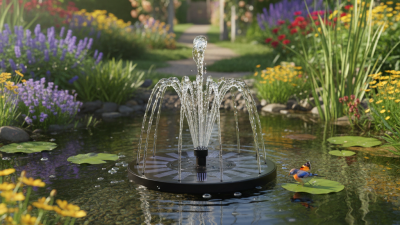
Water management is critical in maintaining ecological balance and promoting healthy aquatic environments. One effective solution is the Floating Aerator Pump. This innovative technology excels in enhancing water quality by increasing oxygen levels. Proper oxygenation supports aquatic life, reduces harmful algae blooms, and improves overall ecosystem health.
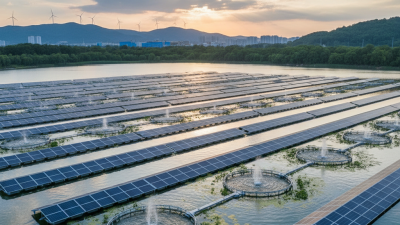
Many industries, from agriculture to municipal water treatment, benefit from using a Floating Aerator Pump. Its design allows for easy installation and maintenance, making it accessible for various applications. However, it is essential to understand the operational challenges, such as energy consumption and placement logistics.
Investing in a Floating Aerator Pump involves careful consideration. Each site has specific needs that may affect pump performance. While this equipment shows promise, ongoing evaluation is vital. Users should monitor effectiveness and adapt as necessary. Understanding the nuances of this technology is key to optimizing water management strategies.
Advantages of Floating Aerator Pumps in Water Management
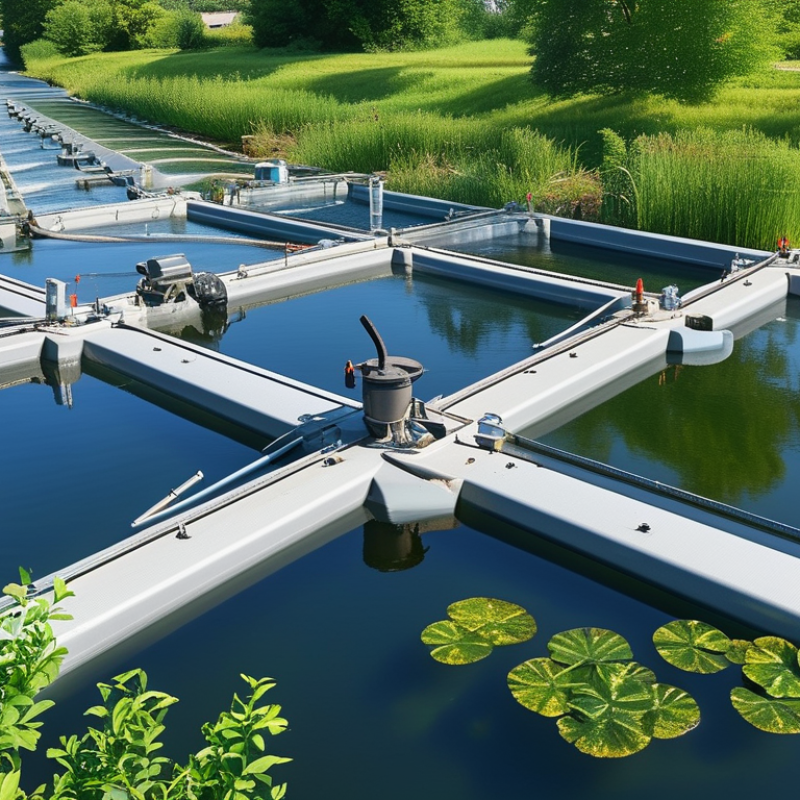
Floating aerator pumps are essential tools in modern water management. They improve water quality by providing oxygen and preventing stagnation. This oxygenation process encourages beneficial bacteria growth, promoting an eco-friendly environment in ponds and lakes.
Moreover, these pumps are adaptable. They can be moved easily to different locations based on water quality needs. This flexibility allows for targeted management of algae blooms and odor issues, making water systems healthier. On the downside, some users might find maintenance challenging. Regular checks are necessary to ensure optimal operation, which can be time-consuming. However, the benefits often outweigh the inconveniences.
Cost-effectiveness is another advantage. Floating aerator pumps reduce the need for chemical treatments, leading to long-term savings. They can improve the aesthetic appeal of water bodies as well. Yet, it's important to consider the environmental impact. Improper use can disrupt local ecosystems. So, careful planning and execution are vital for effective water management.
Benefits of Floating Aerator Pumps in Water Management
How Floating Aerator Pumps Improve Water Quality
Floating aerator pumps play a crucial role in enhancing water quality. They improve oxygen exchange in lakes and ponds, benefiting aquatic life. Research indicates that oxygen levels below 5 mg/L can be detrimental to fish health. Floating aerators can lift oxygen levels above this threshold efficiently.
Studies show that these pumps reduce harmful algae blooms. High nutrient levels often trigger these blooms, leading to oxygen depletion. A report from the Environmental Protection Agency highlights that proper aeration can reduce phosphorus levels by up to 30% in treated water bodies. This reduction can significantly improve clarity and aesthetic quality.
Floating aerator pumps also create better water circulation. This circulation prevents sediment build-up, which can harbor pathogens. However, it's important to consider the placement and design of these systems. Poorly designed setups can cause localized dead zones. Regular monitoring is essential to ensure optimal performance and water quality improvement.
Key Features to Consider When Selecting a Floating Aerator Pump
Choosing the right floating aerator pump is crucial for effective water management. One key feature to consider is the pump’s aeration capacity. According to industry reports, a pump with a capacity between 1,500 to 5,000 gallons per minute can effectively enhance oxygen levels in water bodies. This is vital for aquatic life. Sufficient oxygen promotes healthier ecosystems and supports fish populations.
Energy efficiency is another important factor. A study found that energy-efficient pumps can reduce operational costs by up to 30%. This means lower electricity bills over time. Regular maintenance is also necessary to ensure optimal performance. Failing to service pumps can lead to decreased efficiency and increased risk of mechanical failure. Many end-users overlook this.
The design of the floating aerator pump plays a significant role as well. A robust and corrosion-resistant structure extends the product lifespan. However, improper selection based on incorrect assumptions can lead to early failures. Understanding these features not only increases the reliability of water management systems but also ensures sustainability.
Different Applications of Floating Aerator Pumps in Various Environments
Floating aerator pumps serve various water management needs across different environments. In ponds and lakes, they enhance oxygen levels. This is crucial for aquatic life. Algae blooms can thrive in stagnant water. The aerator disrupts this cycle. Healthy ecosystems depend on balanced oxygen levels.
In agricultural settings, these pumps help manage irrigation water. Farmers can prevent stagnation in reservoirs. This ensures sufficient water for crops. Furthermore, in wastewater treatment facilities, floating aerators play a vital role. They improve the breakdown of organic materials. Effective aeration speeds up the purification process, resulting in cleaner discharge.
However, it’s essential to consider maintenance. Floating aerator pumps can be affected by debris and environmental factors. Regular checks are vital to ensure optimal performance. Neglected pumps may lead to reduced efficiency. In choosing a floating aerator, understanding specific needs is critical. Each application may require different specifications to work effectively.
Maintenance Tips for Ensuring Optimal Performance of Aerator Pumps
Maintaining a floating aerator pump is crucial for its efficiency and longevity. Regular inspections help identify issues before they become serious.
Checking the water intake for debris is essential. Algae and leaves can clog the pump, leading to reduced performance.
Cleaning filters frequently is also important. Even small blockages can impact aeration and, ultimately, water quality.
Lubricating moving parts must not be overlooked. Dry bearings can cause wear and tear, leading to costly repairs.
Use appropriate lubricants and follow guidelines carefully. Not all pumps are created equal, so understanding the specific needs of your model is vital.
Regularly consulting the user manual can provide significant insights into maintenance practices.
Lastly, monitoring energy consumption offers another layer of oversight. A sudden increase in energy use may signal underlying problems.
Keeping an eye on performance metrics allows early detection of potential failures. This proactive approach not only saves time but can also prevent costly emergencies down the line.
Investing time in maintenance pays off by ensuring optimal performance of aerator pumps.