What is a Floating Lake Aerator and How Does It Work?
The health of lakes is crucial for ecosystems and communities. A significant issue is water quality, degraded by pollutants. According to the EPA, approximately 40% of America’s lakes are unsuitable for swimming or fishing. This alarming statistic highlights the need for effective remediation methods. One innovative solution is the Floating Lake Aerator.
A Floating Lake Aerator improves water quality by increasing oxygen levels. It promotes aerobic bacteria that break down harmful substances. Research indicates that enhanced aeration can reduce algae blooms by up to 70%. This could transform the environment of lakes, making them safer and more enjoyable for recreational use.
Though promising, the application of Floating Lake Aerators must be considered carefully. Variability in lake conditions may affect performance. Further studies are necessary to determine optimal usage. Continuous evaluation and adaptation are essential for effective lake management. The responsibility to protect our waterways is significant, and tools like the Floating Lake Aerator can play a pivotal role.
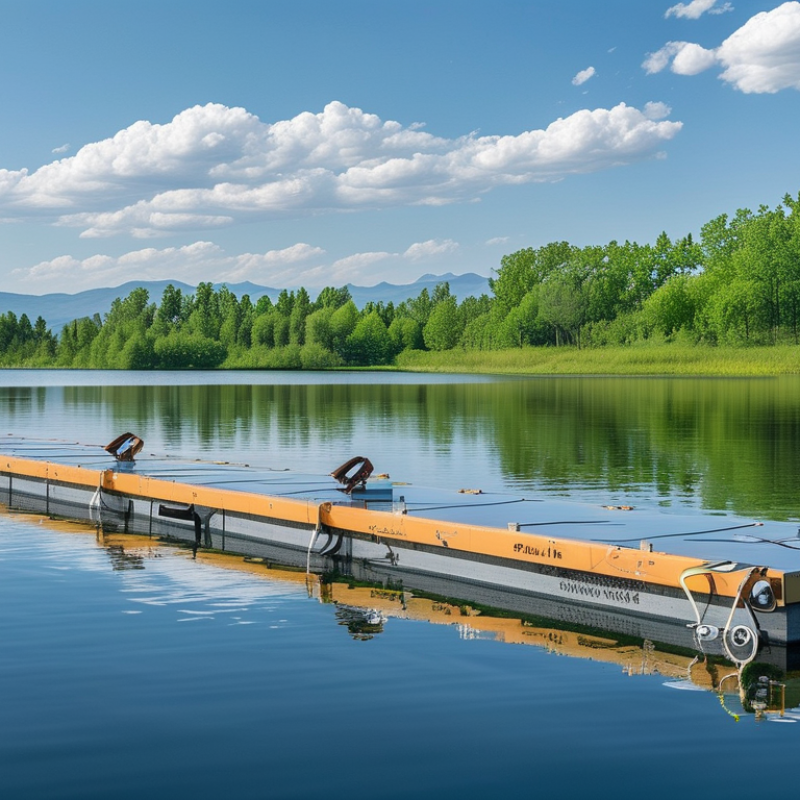
What is a Floating Lake Aerator?
A floating lake aerator is designed to improve water quality by increasing oxygen levels. It works by drawing water from the bottom of the lake and releasing it at the surface. This process enhances gas exchange, which can reduce algae blooms and improve aquatic life. According to the U.S. Environmental Protection Agency, lakes with lower oxygen levels can experience significant ecological decline. These conditions often lead to fish kills and diminished water quality.
The aerator's design is crucial. Most units consist of a motor, propeller, and floating platform. The motor spins the propeller, creating turbulence and pushing water into the air. This movement not only aerates the water but also helps to circulate nutrients and break down organic matter. A study published by Water Research indicates that effective aeration can increase dissolved oxygen levels by up to 300% in certain situations. However, improper use of aerators can lead to uneven mixing, causing dead zones.
In many cases, implementation may vary across different bodies of water. Factors such as lake depth, water temperature, and local wildlife all affect aerator efficiency. Some lakes may require several units positioned strategically for optimal results. Monitoring these systems is essential to ensure they perform effectively and achieve desired outcomes. Regular checks can reveal maintenance needs and help in understanding the system's impact on the ecosystem.
What is a Floating Lake Aerator and How Does It Work?
| Feature |
Description |
| Definition |
A floating lake aerator is a device that enhances the oxygen levels in a body of water by agitating the surface and promoting gas exchange. |
| How It Works |
The aerator uses a mechanical system to draw water from the bottom, where it is released back at the surface, allowing atmospheric air to mix with the water. |
| Benefits |
Improves water quality, reduces algae blooms, enhances fish habitats, and supports aquatic life. |
| Applications |
Used in lakes, ponds, water gardens, and aquaculture environments. |
| Maintenance |
Regular cleaning of the aerator and checking for mechanical issues are necessary to ensure optimal performance. |
| Environmental Impact |
Helps in maintaining balanced ecosystems and promoting biodiversity in water bodies. |
Key Components of a Floating Lake Aerator
A floating lake aerator is designed to improve water quality in lakes and ponds. It utilizes simple yet effective components to maximize oxygen levels. The key components include a buoyant platform, an air compressor, and diffuser tubes. These elements work together to promote healthier aquatic ecosystems.
The buoyant platform keeps the aerator afloat. It must be sturdy to withstand various weather conditions. The air compressor pumps oxygen-rich air to the diffuser tubes. These tubes are submerged and release bubbles at the water’s surface. This process enhances oxygen transfer, benefiting fish and other aquatic life.
However, maintaining these systems can be challenging. The air compressor may require regular maintenance. The diffusers can clog over time, requiring cleaning or replacement. Additionally, operators must monitor the aerator's performance to ensure optimal efficiency. Inadequate attention could lead to less effective aeration. Thus, while floating lake aerators are effective, they require mindful management for lasting success.
How a Floating Lake Aerator Works
Floating lake aerators are fascinating devices designed to improve water quality in lakes and ponds. They function by introducing oxygen into the water, promoting healthier ecosystems.
The aerator sits on the surface, using a motor to create air bubbles. As these bubbles rise, they agitate the water, facilitating the exchange of oxygen. This process helps reduce algae blooms, which can be detrimental to aquatic life.
The effectiveness of floating lake aerators can vary based on several factors. For instance, the size of the body of water and its natural flow can influence the aeration process. Some lakes may not experience significant changes despite using an aerator.
It’s essential to observe the results regularly and adjust the aerator's placement if needed.
Additionally, water temperature and nutrient levels play crucial roles in determining the overall impact on the ecosystem. Regular monitoring and maintenance are vital to ensure the aerator operates efficiently and continues to foster a healthier aquatic environment.
Benefits of Using a Floating Lake Aerator
Floating lake aerators provide numerous benefits for lakes and ponds. They enhance water quality by increasing oxygen levels. This is crucial for fish and other aquatic life. A well-oxygenated environment reduces harmful algae blooms as well. The aeration process helps break down organic matter, making the water clearer and healthier.
Moreover, these devices promote better circulation throughout the water body. This circulation helps to distribute nutrients evenly, which can improve plant growth. Healthy plants provide shelter and food for wildlife. Many lake owners see an immediate improvement when they introduce an aerator. However, changes might take time, and not every lake responds equally. Regular monitoring is necessary to gauge effectiveness.
While floating lake aerators are beneficial, they are not a one-size-fits-all solution. Each body of water has unique conditions. It’s essential to assess specific needs before installation. Thoughtful considerations about local wildlife and plant life also play a role in planning. Finding the right balance can sometimes be a trial-and-error process.
Common Applications of Floating Lake Aerators
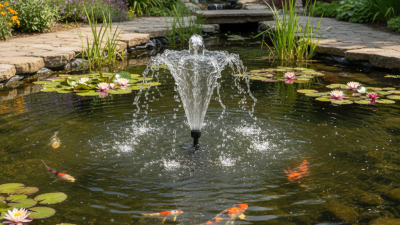
Floating lake aerators have become vital tools in maintaining healthy aquatic environments. They enhance oxygen levels, combat algae growth, and improve water clarity. These aerators are commonly found in various settings, such as ponds, lakes, and even water features in residential areas. They are typically powered by solar energy or electric motors, offering a sustainable option for water management.
In commercial settings, floating lake aerators are essential for fish farms. They guarantee that fish receive adequate oxygen, which is crucial for growth. Parks and recreational areas also benefit from these aerators. They keep water bodies clean and attractive, encouraging community use. However, relying solely on aerators for water treatment has limitations. They do not address underlying pollution sources, which require more comprehensive management strategies.
Environmental organizations often encourage the use of floating aerators to reduce the impact of nutrient runoff. Implementing these systems can lead to better water quality. Still, proper assessment of the water body is necessary. Understanding its specific needs will lead to more effective solutions. Misjudging the required aeration can result in less optimal outcomes, so ongoing evaluation is important.