What is a Micro Nano Bubble Generator and How Does It Work?
In the realm of advanced water treatment solutions, the "Micro Nano Bubble Generator" stands out as a transformative technology. Dr. Emily Roberts, a leading expert in fluid dynamics, remarked, "Micro nano bubbles revolutionize the way we approach water quality.” These tiny bubbles, measuring less than 50 micrometers, enhance processes like aeration and pollutant removal.
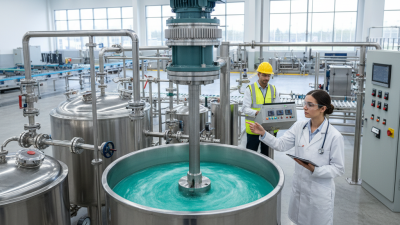
As industries seek efficient methods to purify water, understanding how a Micro Nano Bubble Generator works is essential. The generator creates bubbles that remain suspended in liquids for extended periods. This unique feature boosts the performance of cleaning and therapeutic applications. Those in water treatment can find significant benefits through the use of these innovative devices.
However, the technology is not without its challenges. Some systems may struggle with scalability or consistent performance. The varying quality of water sources can also impact the effectiveness of micro nano bubbles. Continuous research and testing are crucial for addressing these issues. As we explore the intricacies of Micro Nano Bubble Generators, we enter a field where expertise and innovation intertwine to create a cleaner future.
What is a Micro Nano Bubble Generator?
Micro nano bubble generators are innovative devices that create tiny bubbles, significantly smaller than a millimeter. These bubbles hold unique properties that enhance their efficacy in various applications. They are typically generated through specialized systems that force air or gas into a liquid, creating a frothy dispersion of micro and nano-sized bubbles. Understanding these mechanisms is essential for appreciating their role in industries like water treatment and food processing.
In water treatment, micro nano bubbles improve the dissolution of oxygen, promoting more efficient biological processes. Their small size and high surface area facilitate interactions with pollutants, leading to faster removal. However, achieving consistent bubble generation can be challenging. Factors like water quality and gas type can influence performance. Additionally, scaling up these technologies presents practical difficulties, such as optimizing energy efficiency and ensuring uniform bubble distribution across larger volumes.
In aquaculture, micro nano bubbles enhance water quality by increasing oxygen levels and promoting healthier fish environments. While the benefits are evident, the technology requires careful calibration to avoid problems, such as excess foaming or insufficient dispersion. Ongoing research is crucial to refine these systems for broader applications. This blend of potential and challenge defines the journey of micro nano bubble generators in modern industry.
Key Components of a Micro Nano Bubble Generator
Micro Nano Bubble (MNB) generators are innovative devices designed to produce bubbles significantly smaller than a human hair. These bubbles enhance various applications, from water treatment to agricultural processes. Understanding the key components of these generators is essential to appreciate their functionality and effectiveness.
The main components include the gas inlet, mixing chamber, and bubble generator. The gas inlet allows air or gas to enter, while the mixing chamber efficiently combines the gas with water. This crucial step creates a turbulent environment that encourages bubble formation. The bubble generator uses high shear forces to create micro and nano-sized bubbles, typically ranging from 50 nanometers to a few micrometers. Research indicates that MNBs increase oxygen transfer efficiency by 50% compared to conventional methods, making them valuable for aquaculture and wastewater treatment.
Tips: To maximize the efficiency of MNB generators, it's essential to maintain the appropriate pressure and flow conditions. Regular maintenance and monitoring can help identify potential issues early. Data from industry reports suggests that operational efficiency can decline if the system is not carefully managed.
While micro nano bubble technology shows great promise, it is not without challenges. Factors such as bubble stability and environmental impact require further study. Continuous improvement in design and materials may enhance the reliability of these generators. Acknowledging these shortcomings can lead to more innovative solutions in this evolving field.
Principle of Operation: How Micro Nano Bubbles are Created
Micro nano bubble generators play a pivotal role in diverse industries, leveraging the unique properties of micro and nano-sized bubbles. These bubbles, typically smaller than 100 microns, possess an enhanced surface area that significantly increases their effectiveness in various applications. The principle of operation relies on a specific process known as cavitation, where rapid changes in pressure create these ultra-fine bubbles in liquids.
During operation, high-speed water flows through restrictive paths, generating shear forces. This mechanical action leads to the formation of micro and nano bubbles. Studies have shown that these bubbles have remarkable stability and longevity compared to larger bubbles. Research indicates that micro nano bubbles can remain suspended in water for up to 30 days. This attribute allows for more efficient processes such as oxygenation in aquaculture or wastewater treatment, where the retention time of enhanced oxygen levels is critical for effectiveness.
The creation of micro nano bubbles is not without challenges. For instance, achieving consistent bubble sizes requires precise control over operating conditions. Variations in water temperature, pressure, and flow rates can lead to discrepancies in bubble formation. This inconsistency can hinder performance in real-world applications. Industry reports suggest that developing optimal generator designs is vital for maximizing the benefits of micro nano bubbles, yet many solutions are still being refined to overcome these hurdles. The importance of rigorous testing and validation should not be overlooked, as it underpins the reliability and efficacy of these innovative systems.
Micro Nano Bubble Generator Efficiency
Applications of Micro Nano Bubbles in Various Industries
Micro nano bubbles (MNBs) have gained traction across various industries due to their unique properties. In water treatment, these bubbles enhance the efficiency of pollutants removal. A study from the Journal of Environmental Management highlights that MNBs can increase oxygen transfer rates by up to 70%. This improved aeration leads to better biological activity, essential in wastewater treatment facilities.
In agriculture, MNBs have shown promising results in increasing crop yields. Research indicates that they improve nutrient absorption when used in irrigation systems. According to a report by the International Journal of Agricultural Science, crops treated with micro nano bubble water achieved a 30% increase in growth compared to traditional methods. This technology improves sustainability practices in farming, but incorporating it universally poses challenges.
Aquaculture is another field benefiting significantly from MNB technology. Fish health improves with better oxygenation, reducing stress and disease. However, researchers note that standardization across different species is still a hurdle. The findings from Aquaculture Research suggest that while application methods are effective, more studies are needed for broader industry adoption.
Benefits and Challenges of Using Micro Nano Bubble Technology
Micro nano bubble technology has gained attention for its innovative capabilities and unique benefits. These tiny bubbles can enhance processes in various industries, including water treatment, agriculture, and aquaculture. One key benefit is their ability to improve oxygen transfer in water. This can lead to healthier aquatic ecosystems. Another advantage is their role in making chemical processes more efficient, reducing the need for harsh chemicals.
However, using micro nano bubble technology comes with challenges. Producing stable micro bubbles can be complex. Maintaining their longevity in water systems is often difficult. Researchers are still exploring ways to optimize these bubbles for different applications. It’s essential to conduct thorough testing before implementation to understand their efficacy fully.
Tips for optimizing micro nano bubble use include maintaining appropriate pressure levels during generation. Regular monitoring of water quality can help in assessing the performance of bubbles. Experimenting with different bubble sizes might yield better results for specific applications. This technology holds promise, but careful consideration is needed to address its limitations.
Micro Nano Bubble Generator: Key Data
| Dimension |
Description |
Value |
| Bubble Size |
Typical Size Range |
20 - 1000 nm |
| Generation Method |
Common Techniques |
Mechanical, Chemical, and Electrolytic |
| Applications |
Industries Using Technology |
Water treatment, Agriculture, Food processing |
| Benefits |
Advantages Over Traditional Bubbles |
Increased Dissolution, Enhanced Contact Area, Environmental Benefits |
| Challenges |
Potential Issues in Implementation |
Cost, Technology Complexity, Bubble Stability |