What is Mixing Mortar With Paddle Mixer Techniques and Benefits?
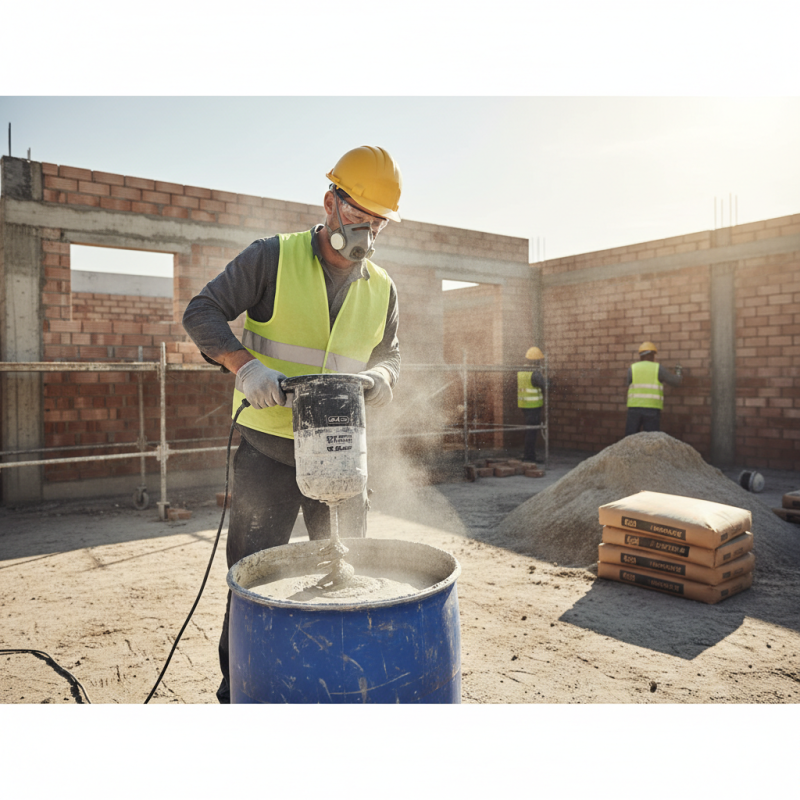
Mixing Mortar With Paddle Mixer is becoming essential in modern construction. Recent studies show that over 50% of masonry professionals prefer this method for its efficiency. The technique enhances the consistency of mortar, ensuring stronger bonds in brick and stone applications.
Many construction experts emphasize the significance of using a paddle mixer. It helps in minimizing labor fatigue and saves time, allowing workers to focus on other important tasks. However, not all paddle mixers are created equal. Some models may struggle with thicker mixes, which can lead to inconsistent results.
Consider the environmental impact as well. The process can produce dust and waste, which requires proper handling. As with any technique, it’s crucial to assess the specific needs of a project. Mixing Mortar With Paddle Mixer may yield numerous benefits, but it is not without its challenges.
Understanding the Basics of Mortar Mixing with Paddle Mixers
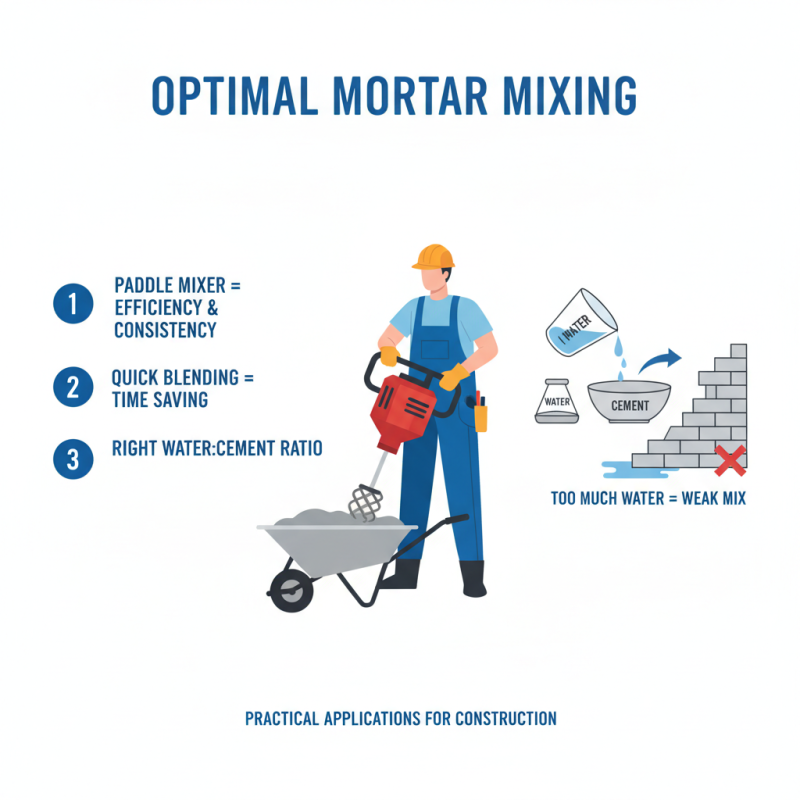
Mixing mortar with a paddle mixer offers efficiency and consistency. Understanding the basics of mortar mixing is crucial for practical applications. A paddle mixer can blend materials quickly, saving time on construction projects. The right ratio of water and cement is essential. Too much water can weaken the mixture.
Tips for mixing: Always measure ingredients carefully. Start with dry materials before adding water. This helps achieve a smoother consistency. Sometimes, it’s easy to underestimate how much water is needed. Mixing too much at once can lead to waste.
Another aspect to consider is the mixing speed. A faster speed can create air bubbles, compromising the mortar's strength. Adjusting the speed is vital. Monitoring texture while mixing can prevent over, or under-mixing. It requires practice to get it just right.
Essential Techniques for Efficient Mortar Mixing
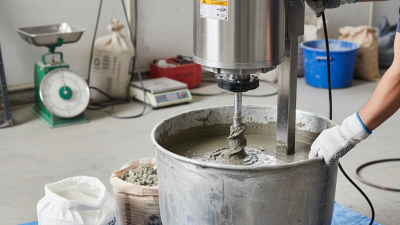
Mixing mortar effectively can be a challenge. Using a paddle mixer can streamline the process. To achieve a consistent mix, adding the right amount of water is crucial. Aim for a thick, creamy texture. It's important to avoid over-watering, which can weaken the mix. Begin with dry ingredients, then gradually incorporate water while mixing.
One common mistake is neglecting the mixing time. Rushing through this can lead to clumps. Ensure the paddle mixer operates at an optimum speed for even distribution. Observing the consistency is key. If the mix looks uneven, stop and adjust. A well-mixed mortar should flow smoothly yet maintain body.
Another technique involves adding additives for specific applications. These can enhance adhesion or workability. However, too many additives can compromise the mixture. Always mix in small batches to avoid waste. Testing small amounts helps gauge the proper blend ratios. Regular practice will improve your efficiency and technique over time.
What is Mixing Mortar With Paddle Mixer Techniques and Benefits? - Essential Techniques for Efficient Mortar Mixing
| Technique |
Description |
Benefits |
Ideal Usage |
| Standard Mixing |
Combining dry ingredients with water using a paddle mixer |
Ensures consistent texture and prevents clumping |
General masonry work |
| Batch Mixing |
Mixing specified amounts of mortar for specific jobs |
Reduces waste and ensures precise quantities |
Large scale construction projects |
| Continuous Mixing |
Ongoing mixing of mortar as it is needed |
Optimizes workflow and allows for uninterrupted application |
High-volume applications |
| Additive Mixing |
Incorporating chemical additives for enhanced performance |
Improves adhesion and longevity |
Specialized mortar applications |
Benefits of Using Paddle Mixers for Mortar Preparation
Paddle mixers are transforming the way mortar is prepared. Unlike traditional methods, these mixers provide consistent results and save time. According to industry reports, using a paddle mixer can increase production rates by 20-30%. This efficiency is essential for contractors facing tight project deadlines.
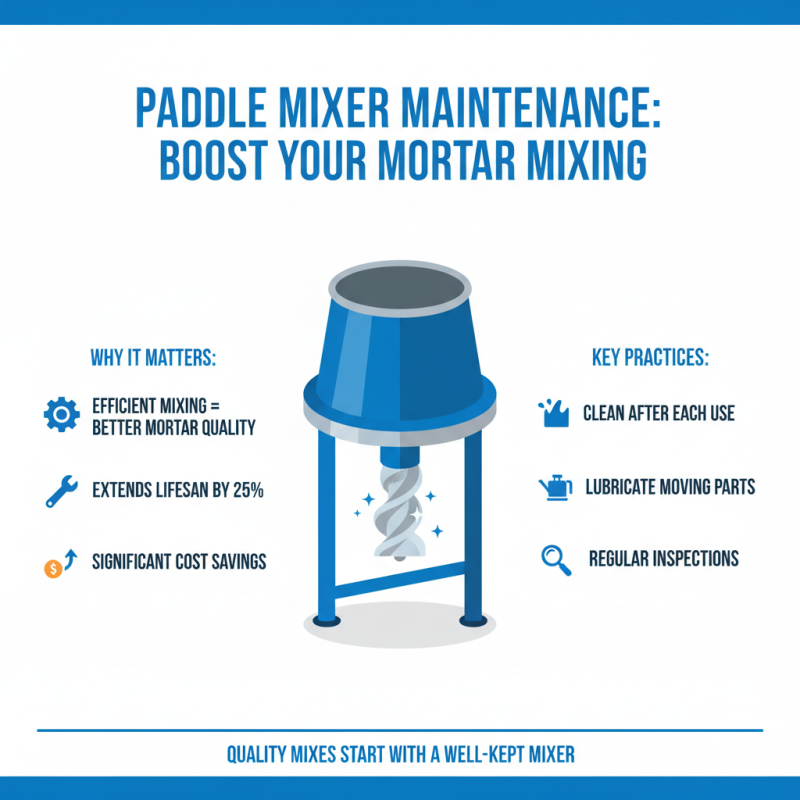
With paddle mixers, operators can achieve a uniform mix without the risk of overworking the material. A well-blended mortar enhances bonding, ensuring durability. Studies indicate that well-prepared mortar can increase the lifespan of masonry structures by up to 15%. However, it's crucial to maintain the equipment regularly. Neglecting maintenance can lead to uneven mixing and affect the final product.
While paddle mixers offer clear advantages, operators should be mindful of mixing speeds. An overly fast mix may introduce air bubbles, compromising the integrity of the mortar. Paying attention to the mixing process can improve outcomes significantly. Focusing on detail during preparation ensures that every batch is built to last.
Benefits of Mixing Mortar with Paddle Mixers
Common Mistakes to Avoid When Mixing Mortar with Paddle Mixers
Mixing mortar with a paddle mixer can save time, but mistakes can lead to poor results. One common error is adding too much water. This can weaken the mix and affect bonding. Always measure carefully. Furthermore, not mixing thoroughly can leave clumps. Clumps can ruin the finish and strength of your project.
Another issue arises from improper paddle speed. If the mixer runs too fast, it can introduce air bubbles. Bubbles weaken the consistency and durability of the mortar. Choose the right speed for blending. Also, remember to check the mixer regularly for wear. Worn paddles can lead to uneven mixing.
Finally, neglecting clean-up is a mistake often overlooked. Mortar residue can harden and damage your mixer. Clean the paddle promptly after use. These small details matter greatly when working on a project. Pay attention, and your mixes will improve significantly.