Top Paddle Type Mixer Applications and Benefits in Various Industries?
The Paddle Type Mixer plays a pivotal role in various industrial processes. Its versatility is reflected in applications ranging from food production to chemical processing. According to a report by Grand View Research, the global market for mixers is expected to reach $3.1 billion by 2025. This growth highlights the importance of efficient mixing technologies, such as the Paddle Type Mixer, in optimizing production processes.
Dr. Emily Johnson, a leading expert in mixing technologies, stated, "The Paddle Type Mixer combines reliability and efficiency, responding well to diverse material characteristics." This sentiment underscores the mixer’s ability to handle viscous materials, improving overall productivity. Industries benefit from reduced mixing times and enhanced product consistency.
While Paddle Type Mixers offer substantial advantages, challenges exist. For instance, not every material behaves predictably under mixing conditions. Manufacturers must understand material properties for optimal results. Despite these challenges, the continued investment in Paddle Type Mixer technology suggests a strong future in industrial applications.
Applications of Paddle Type Mixers in Food and Beverage Industry
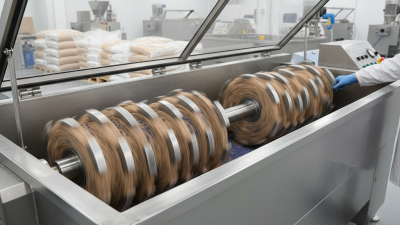
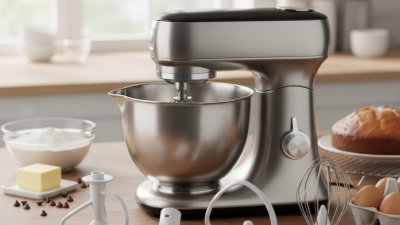
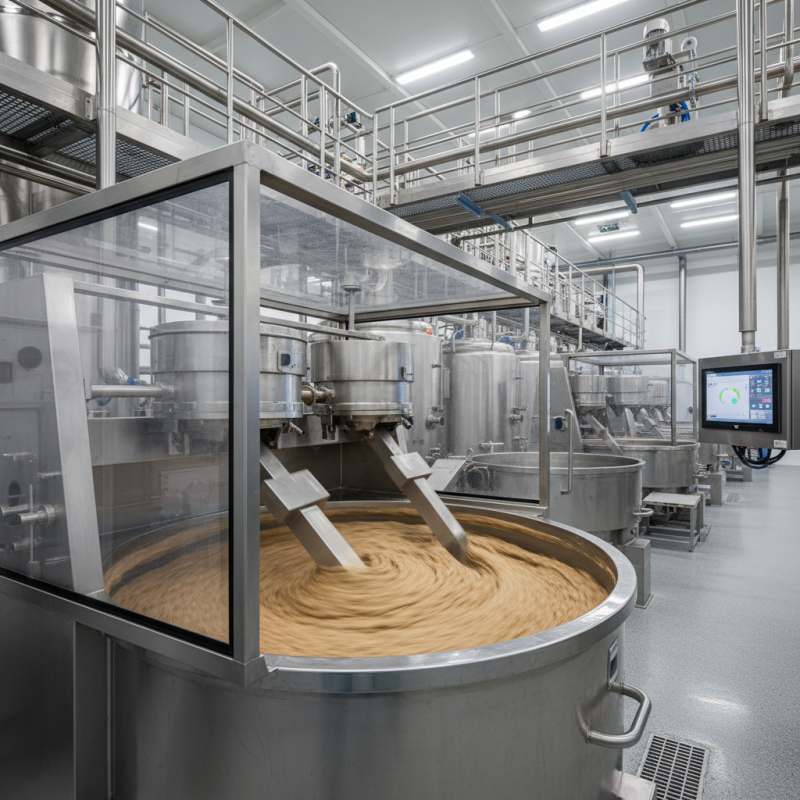
Paddle type mixers play a significant role in the food and beverage industry. These mixers effectively combine various ingredients, ensuring a consistent texture and flavor in products. In bakeries, for instance, they blend flour, sugar, and fats to create smooth batters for cakes and pastries. The design of paddle mixers allows for gentle stirring, which preserves the quality of ingredients.
In beverage production, paddle mixers are crucial for achieving uniform blends in juices and smoothies. They can handle both thick and liquid mixtures. This versatility makes them indispensable in large-scale operations. However, achieving the right consistency often requires fine-tuning of mixing times and speeds.
Despite their effectiveness, paddle mixers do have limitations. Overmixing can lead to undesirable textures in products, such as dense bread. Regular maintenance is essential to prevent wear and ensure reliability. The choice of mixer should align with specific production needs. These factors highlight the importance of understanding mixer dynamics in optimizing food formulations.
Benefits of Paddle Type Mixers in Pharmaceutical Manufacturing
Paddle type mixers play a crucial role in pharmaceutical manufacturing. They provide efficient mixing of powders, granules, and liquids. This type of mixer offers uniform blending, which is essential for consistent product quality. Accuracy in mixing leads to improved bioavailability of active ingredients.
Using paddle mixers can minimize the risk of contamination. They are designed with materials that are easy to clean and maintain. This simplifies the necessary sanitation processes required in pharmaceutical environments. Additionally, their compact design allows them to fit in limited spaces, which is beneficial in many facilities.
**Tip:** Regular maintenance of paddle mixers can extend their lifespan. Schedule periodic inspections to ensure optimal performance. Always keep the mixer clean to prevent cross-contamination.
Paddle mixers also allow for gentle handling of sensitive materials. This helps to preserve the integrity of delicate compounds. However, it's essential to balance speed and mixing time. Over-mixing can lead to degradation of certain ingredients.
**Tip:** Monitor the mixing process closely. Adjust parameters as needed to maintain product quality. Being attentive to details can prevent costly mistakes in production.
Top Paddle Type Mixer Applications and Benefits in Various Industries
| Industry |
Application |
Benefits |
| Pharmaceutical |
Powder mixing and granulation |
Ensures uniform distribution of active ingredients |
| Food Processing |
Mixing ingredients for sauces and dressings |
Improved texture and flavor consistency |
| Chemical Manufacturing |
Batch mixing of chemicals |
Enhanced reaction efficiency and safety |
| Cosmetics |
Production of creams and lotions |
Uniform texture and improved shelf life |
| Construction |
Mixing of concrete and mortars |
Higher tensile strength and workability |
Use of Paddle Type Mixers in Chemical Processing Operations
Paddle type mixers are vital in chemical processing operations. They ensure uniform mixing of various substances. This is crucial in creating consistent product quality. The design allows for effective blending of solids and liquids. Paddle mixers can handle high-viscosity materials, making them versatile in many applications.
Tips: Regular maintenance of mixers increases longevity. Monitor the wear on paddles to avoid inefficiencies. This can save costs in the long run.
In chemical plants, safety is paramount. Paddle mixers reduce dust generation and minimize hazards. Their enclosed design prevents contamination and exposure. Operators must remain vigilant, as improper mixing can lead to process failures.
Tips: Always follow proper operating procedures. Training staff on mixer handling is essential. Regular audits on mixing processes help identify areas for improvement.
Paddle Type Mixers in Construction Materials Production
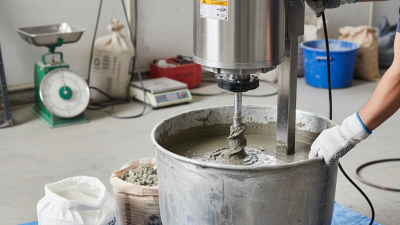
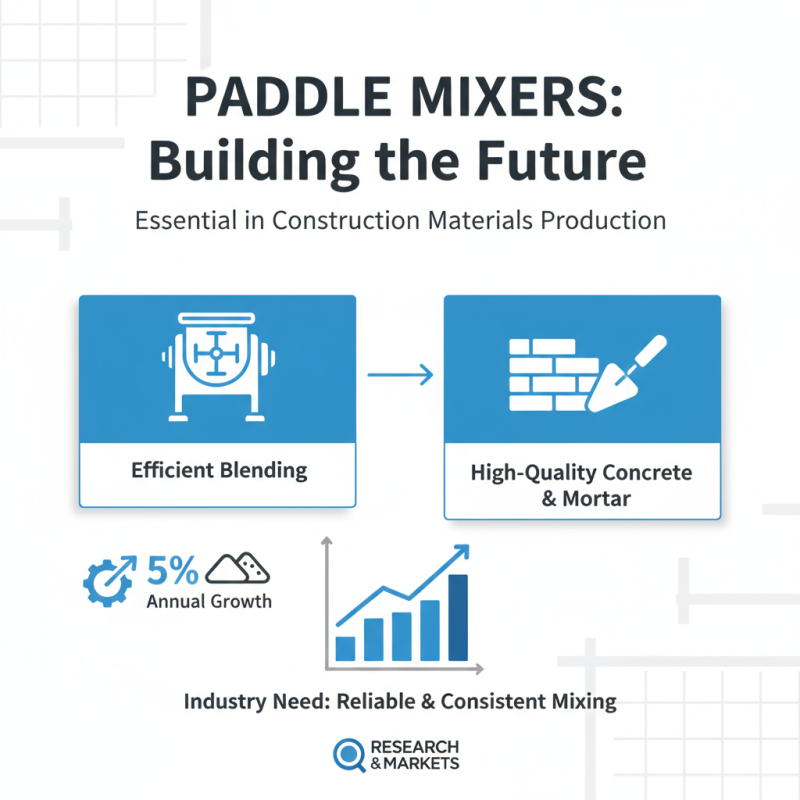
Paddle type mixers play a crucial role in construction materials production. The ability to blend different materials efficiently is essential in creating high-quality concrete and mortar. According to a report by Research and Markets, the construction sector has seen a 5% annual growth in the use of paddle mixers for material processing. This growth is a reflection of the industry’s need for reliable and consistent mixing solutions.
These mixers excel in handling viscous materials. They provide uniform mixing and reduce the time required for preparation. In many facilities, they help blend aggregates, cement, and additives. The optimal paddle design enhances flow and shear, resulting in improved homogeneity. However, some operators report challenges in cleaning and maintenance. Proper care is essential to avoid cross-contamination between batches.
Moreover, paddle mixers can lead to energy inefficiencies if not calibrated properly. Users should regularly evaluate their mixture for quality and consistency. Adapting to varying material qualities also poses potential issues. Continuous monitoring is needed to ensure performance remains at an optimum level. Balancing these factors is critical for maximizing productivity in the construction materials industry.
Environmental Impact and Efficiency of Paddle Type Mixers
Paddle type mixers play a crucial role in various industries, significantly impacting efficiency and environmental sustainability. These mixers are designed to handle a variety of materials, allowing for effective blending and processing. According to a recent market report, the paddle mixer market is expected to grow at a CAGR of 5% between 2023 and 2030. This growth underscores the demand for efficient mixing processes that reduce waste.
The environmental benefits of paddle type mixers are noteworthy. They consume less energy compared to traditional mixers. For instance, studies show that paddle mixers can reduce energy consumption by 20% to 30%. This reduction translates directly into lower operational costs and decreased carbon footprints. Additionally, their ability to mix materials uniformly reduces the need for additional processing steps, further minimizing resource use.
Yet, there are drawbacks to consider. Paddle mixers can struggle with highly viscous materials, which can lead to inefficient mixing. In some cases, achieving the desired homogeneity may require longer processing times. Understanding these limitations is crucial for industries aiming to optimize their mixing processes while being mindful of the environmental impact. Balancing efficiency and sustainability remains an ongoing challenge in the sector.