Top Ibc Tank Stirrer Options for Efficient Mixing in Industrial Applications
In the world of industrial mixing, the efficiency of processes relies heavily on the tools used. One of the most essential components in many operations is the "Ibc Tank Stirrer". Industry expert Dr. James West, a renowned figure in mixing technology, emphasizes, "An effective stirrer can significantly enhance production quality."
Choosing the right Ibc Tank Stirrer involves understanding specific application needs. Different industries demand various mixing speeds and patterns. The design and functionality of stirrers must accommodate these requirements. An ideal stirrer not only mixes but prevents sedimentation and ensures uniformity.
However, selecting a stirrer isn't always straightforward. There are myriad options available, each with unique attributes. It's crucial to analyze what truly aligns with operational goals. An imperfect choice can lead to inefficiencies and unsatisfactory results. Therefore, thorough research and expert advice are invaluable in making informed decisions.
Top Ibc Tank Stirrer Options for Efficient Mixing in Industrial Applications
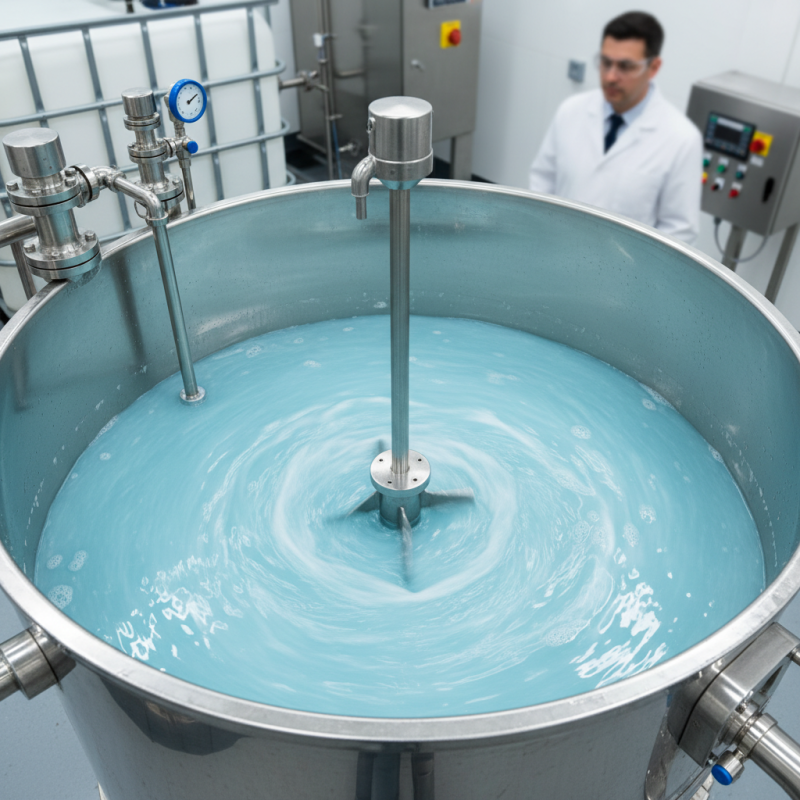
When it comes to mixing in industrial applications, IBC tank stirrers are essential. These devices ensure that materials blend uniformly for optimal performance. The right stirrer can enhance product quality, reduce processing time, and improve efficiency. There are various stirrer options, each designed for specific requirements.
One effective option is the propeller-style stirrer. This design creates a strong flow, ideal for liquids with varying viscosities. It works well under different conditions. However, the installation can be complex and may require adjustments. Another popular choice is the magnetic stirrer. This option is simpler to use and reduces the risk of contamination. But, its effectiveness may diminish for larger volumes.
An important consideration is the material of the stirrer. Stainless steel is durable and easy to clean, but it may not suit all applications. Some users observe that plastic stirrers can wear down faster. This reflects the need for thorough evaluations of materials based on their application. Finding the right balance between efficiency and durability is crucial for optimal mixing results.
Understanding IBC Tank Stirrer Types and Their Applications
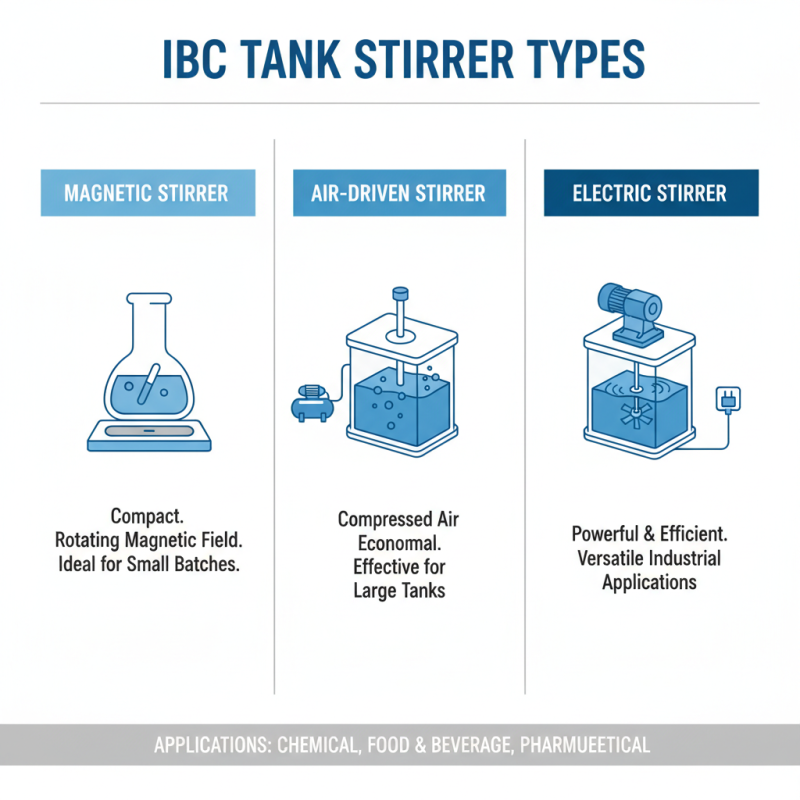
When selecting an IBC tank stirrer, it’s essential to understand the different types available. The most common stirrer types include magnetic, air-driven, and electric models. Magnetic stirrers use a rotating magnetic field to agitate liquids. They are ideal for smaller batches due to their compact size. Air-driven stirrers utilize compressed air for mixing. They can be effective in larger tanks and tend to be more economical. Electric stirrers are powerful and efficient, suitable for a variety of industrial applications.
Each stirrer type has its own benefits and drawbacks. For instance, magnetic stirrers may struggle with highly viscous liquids. They are also less efficient for larger volumes. Air-driven models might not offer the same mixing precision as electric ones. However, they do save on energy costs. When choosing a stirrer, consider the specific viscosity and volume of the liquid being mixed. Performance may vary based on these factors.
Testing different stirrer types can lead to surprising results. What works well in theory may not always yield the best outcome in practice. Monitor the mixing effectiveness closely. This trial-and-error process can reveal the shortcomings of each type. Evaluating when to adapt mixing techniques is key to achieving optimal results. Mixing technologies continue to evolve, and staying updated is part of the process.
Key Features to Consider When Choosing an IBC Tank Stirrer
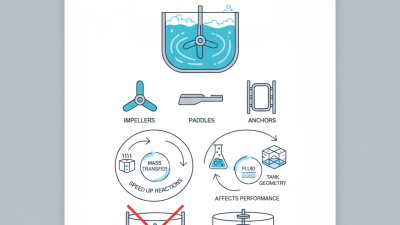
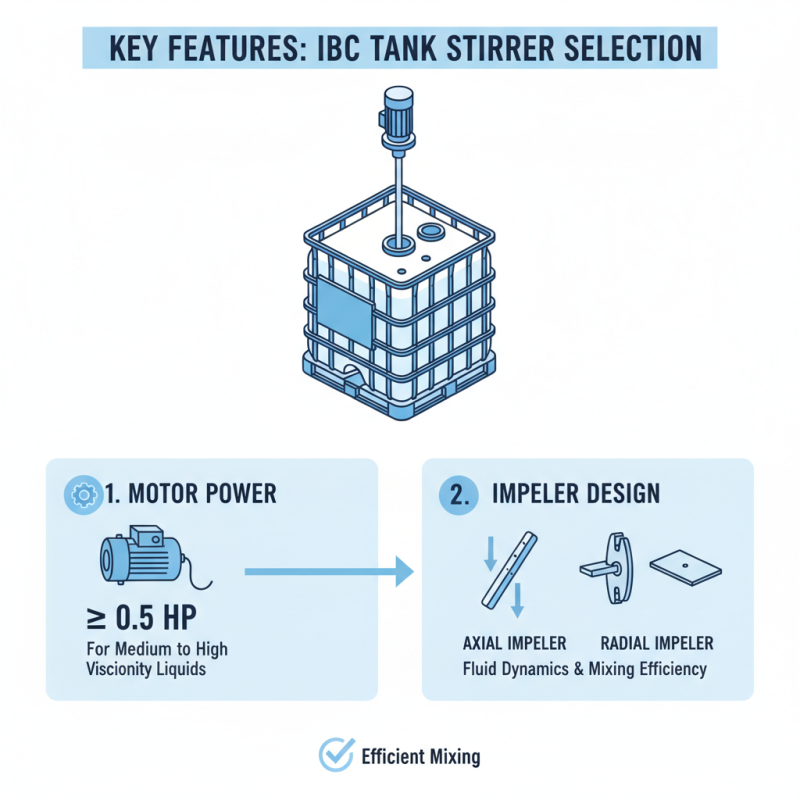
When selecting an IBC tank stirrer, several key features play a critical role in ensuring efficient mixing. The motor power is essential; it directly influences the stirrer's ability to handle viscous materials. Data indicates that units with at least 0.5 HP are often effective for medium to high viscosity liquids. Additionally, the impeller design significantly affects fluid dynamics and mixing efficiency. Consider options like axial or radial impellers based on your specific application requirements.
Durability is paramount in industrial settings. Materials like stainless steel are preferred due to their resistance to corrosion, thus ensuring a longer lifespan. Moreover, the stirrer's shaft length should match the tank's dimensions to avoid dead zones. An ideal option allows adequate clearance and can reach all corners of the tank.
Noise levels also merit consideration. Some stirrers produce excessive noise, which can affect the work environment. Selecting a model with a noise reduction feature can be a wise choice. Finally, ease of maintenance is often overlooked. A design that allows for easy cleaning and part replacement can save time and reduce operational downtime. Thus, evaluating these features carefully is crucial for optimal performance.
Comparison of Electric vs. Pneumatic IBC Tank Stirrer Systems
In industrial applications, mixing efficiency is critical. IBC tank stirrers are vital tools for achieving optimal results. When choosing stirrer systems, two primary options emerge: electric and pneumatic. Each has strengths and weaknesses, impacting operational effectiveness.
Electric stirrers offer precision and control. They excel at consistent mixing speeds. A recent industry report shows that electric systems can reduce mixing time by up to 30%. However, they may struggle in hazardous environments due to electrical risks. On the other hand, pneumatic stirrers thrive in such settings. They are safer and more durable under high pressures. Their flexible operation allows for varied mixing intensities. Yet, pneumatic systems often consume more compressed air, leading to higher operational costs.
Considering these factors is essential. A well-balanced approach can enhance mixing efficiency. Evaluating the specific needs of your operations can help in decision-making. Users may find that their requirements shift over time, necessitating ongoing evaluations. Investing in the right system today can yield significant returns in the future. Data suggests that up to 20% of mixing failures stem from improper equipment choice. This reality calls for careful consideration and potentially frequent adjustments.
Best Practices for Maintaining IBC Tank Stirrer Efficiency
Maintaining the efficiency of IBC tank stirrers in industrial settings is crucial. Regular monitoring of the stirrer speed is essential. Data from industry reports indicate that optimal stirrer speeds can improve the mixing process by up to 30%. This can significantly enhance product quality, especially in industries like chemicals and food.
Routine inspections are often neglected. Neglecting the wear of stirrer components can lead to inefficient mixing. For instance, worn-out blades may reduce operational efficiency, causing inconsistent product quality. Reports suggest that regular blade replacements can maintain stirring efficiency by 15-20%. Simple visual inspections can identify any wear or damage early on.
Training operational staff is another vital aspect often overlooked. Staff should understand the unique requirements of specific materials. Many stirrer failures stem from improper use. Educating staff on best practices, including monitoring temperature changes during mixing, can help maximize the effectiveness of the stirrer system. A well-informed team can adapt quickly to variations, ensuring product consistency.
Top IBC Tank Stirrer Options for Efficient Mixing in Industrial Applications
| Stirrer Model |
Mixing Capacity (L/min) |
Power (W) |
Material Compatibility |
Typical Applications |
| Model A |
350 |
150 |
Plastic, Chemical |
Food, Pharmaceuticals |
| Model B |
500 |
200 |
Stainless Steel |
Chemical Processing |
| Model C |
400 |
180 |
Aluminum, Food Grade |
Beverage Industry |
| Model D |
300 |
130 |
Carbon Steel |
Paints and Coatings |