Leave Your Message

Why Choose a Wastewater Screw Press?

I can write the introduction, but no articles or verifiable expert quotation were included. Please provide a source or the expert’s name and quote so I can attribute it accurately.
Why Choose a Wastewater Screw Press?

How a Wastewater Screw Press Separates Solids from Water

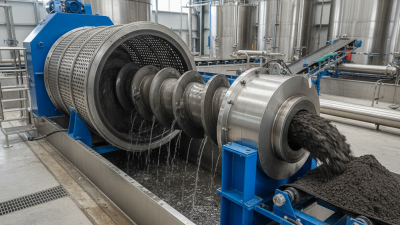
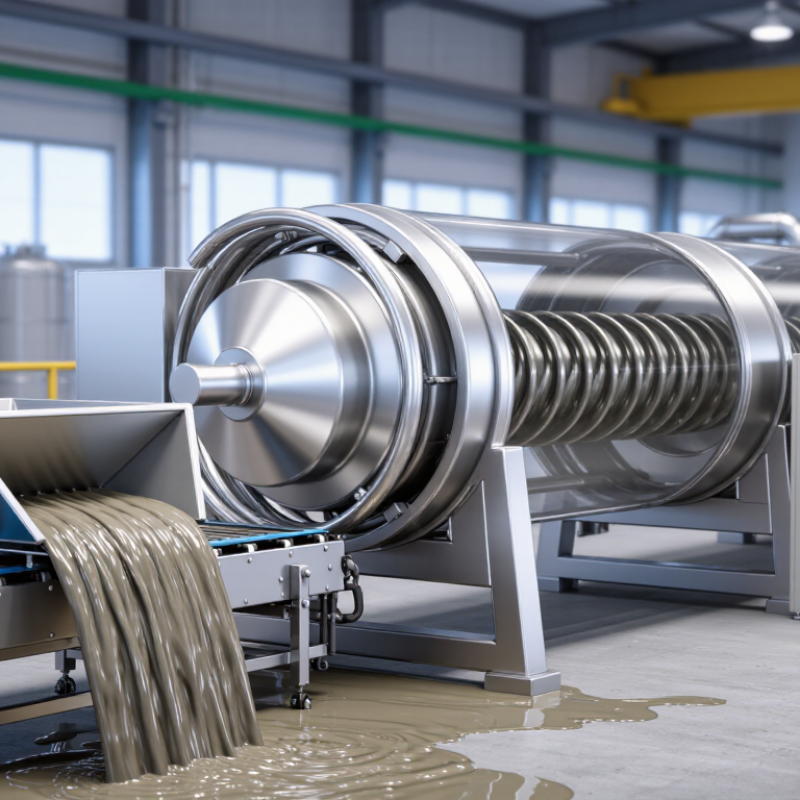
A wastewater screw press separates solids through a slow, continuous squeeze. Sludge enters a perforated screen, often after polymer helps fine particles form larger flocs. Inside, a rotating screw moves the material forward while gradually reducing the space available. Water drains through the screen; compressed solids leave as a damp cake. The separation is mechanical, not magic. Feed quality matters.

The U.S. Environmental Protection Agency’s 2012 Clean Watersheds Needs Survey estimated $271 billion in wastewater infrastructure needs over 20 years. That figure covers far more than dewatering equipment, but it underscores why operating costs and reliability deserve close attention. A screw press can offer continuous processing and relatively simple operation, yet its actual water removal depends on sludge type, polymer dose, screen condition, and adjustment. Results from one plant should not be treated as a promise for another.

In practice, operators watch the filtrate for escaping solids and check whether the cake holds together during discharge. A watery cake may point to poor conditioning, worn screens, or changing feed—not necessarily a faulty press. Polymer also adds cost and needs careful tuning. There is a trade-off: squeezing harder may improve cake dryness, but can reduce throughput or raise maintenance demands. Record feed solids, cake solids, and polymer use during trials; small shifts can change the outcome.
Main Components and Stages of the Dewatering Process

Why Choose a Wastewater Screw Press?

Main Components and Stages of the Dewatering Process

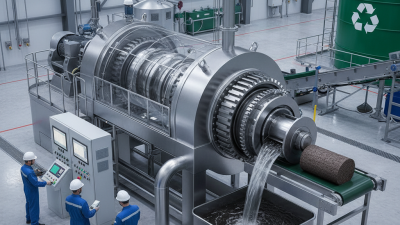
A wastewater screw press brings several practical parts into one compact machine. Sludge enters through a feed hopper and moves along a slowly rotating screw inside a perforated screen. The screw’s changing pitch gradually reduces the available space. Filtrate drains through the screen, while wash sprays help limit blinding. At the outlet, a back-pressure plate restricts cake discharge and builds compression. Gearbox speed and outlet pressure affect performance, so operators usually adjust them to match changing sludge conditions.

Dewatering starts with feed preparation. A polymer may be added to bind fine particles into flocs, though overdosing can waste chemical and impair drainage. The sludge then thickens as free water drains, before compression removes more water and pushes cake toward the outlet. That boundary matters. The U.S. EPA’s Biosolids Technology Fact Sheet: Belt Filter Press (2000) reports typical dewatered solids of about 12–30% for belt presses. This is a useful comparison, not a screw-press guarantee; actual results depend on sludge type and operation. A cake that looks firm can still carry substantial moisture. Small trials and routine checks of filtrate clarity, cake texture, and motor load often reveal more than a brochure figure.

Why Choose a Wastewater Screw Press? - Main Components and Stages of the Dewatering Process

Process Stage Main Component Primary Function Typical Operating Data Practical Benefit
1. Feed Screening Inlet screen or macerator Removes rags, plastics, stones and other coarse materials that could obstruct the press. Opening size commonly selected according to the sludge source and upstream screening system. Reduces jamming, wear and unplanned maintenance.
2. Sludge Conditioning Polymer preparation and dosing system Binds fine suspended solids into larger flocs, allowing water to separate more easily. Polymer dose is commonly adjusted by jar testing and online feed conditions; a representative range is 2–8 kg active polymer per tonne of dry solids. Improves solids capture, filtrate clarity and cake formation.
3. Gravity Thickening Perforated thickening zone and rotating screw Allows free water to drain from the conditioned sludge before compression begins. Feed solids are often approximately 0.5–3% dry solids, depending on the sludge type and upstream process. Lowers the hydraulic load on the compression zone and reduces energy demand.
4. Progressive Dewatering Slow-speed screw shaft and cylindrical screen Moves sludge forward while filtrate passes through narrow screen openings. Typical screw speed is about 2–10 rpm; the exact setting depends on feed characteristics and required cake dryness. Low rotational speed helps limit shear, noise and odor release.
5. Compression Tapered press zone and adjustable back-pressure cone Applies increasing mechanical pressure to remove additional water from the sludge cake. Municipal waste activated sludge commonly produces cake solids of approximately 15–30%, with results varying by sludge type and conditioning. Produces a stackable cake that is easier and less costly to transport.
6. Filtrate Collection Screen housing, filtrate tray and return line Collects separated water and returns it to the wastewater treatment process for further treatment. Solids capture is commonly designed in the high-nineties percentage range when polymer conditioning and operation are properly controlled. Minimizes solids loss and helps protect downstream equipment.
7. Cake Discharge Discharge chute and back-pressure adjustment Controls the resistance at the outlet and releases dewatered sludge cake. Cake texture ranges from firm and stackable to moist and crumbly, depending on feed solids and pressure settings. Supports continuous operation and convenient cake handling.
8. Automatic Washing Spray bar, wash nozzles and control timer Cleans the screen surface to maintain drainage capacity and prevent blinding. Wash frequency is set according to sludge fouling potential and operating hours. Reduces manual cleaning and helps maintain stable throughput.
9. Drive and Controls Motor, gearbox, variable-frequency drive and control panel Regulates screw speed, torque, polymer dosing, washing and overload protection. Low-speed operation generally requires less power than high-speed centrifugation; actual energy use depends on capacity, sludge type and dryness target. Enables automatic adjustment, safer operation and more consistent dewatering.

Note: Operating ranges are indicative values for wastewater sludge applications. Actual performance depends on sludge characteristics, polymer selection, feed concentration, screen configuration and operating settings.

Operational Benefits of Choosing a Screw Press

Why Choose a Wastewater Screw Press?

Operational benefits begin with controlled dewatering, not impressive brochures. A screw press runs at low speed and usually needs less power than centrifuge-based systems. The U.S. Environmental Protection Agency estimates that water and wastewater utilities use about 2% of U.S. electricity. Small efficiency gains can matter across a full year. Operators can also expect quieter operation, limited vibration, and a smaller equipment footprint. A stainless-steel screen, slowly rotating shaft, and compact sludge cake make the process easy to observe. That visibility helps during routine inspections.

The Water Environment Federation’s Manual of Practice No. 8 identifies feed solids, polymer conditioning, capture rate, and cake dryness as critical design variables. In practice, poor polymer adjustment can turn a promising system into a messy one. Staff may see cloudy filtrate, wetter cake, or rising wash-water demand. These are not equipment failures by default. They often signal changing sludge characteristics. A screw press responds well when operators check feed pressure, polymer dose, and screen cleanliness each shift. Simple adjustments can protect performance.

Maintenance is another operational advantage. Low rotational speed reduces wear on bearings and moving parts, while automatic flushing can shorten cleaning time. Yet “low maintenance” does not mean maintenance-free. Grit, fibrous debris, and inconsistent sludge can still cause trouble. EPA energy guidance recommends measuring equipment performance rather than trusting assumptions. Recording power use, polymer consumption, cake solids, and filtrate quality gives managers a defensible operating baseline. The best choice is rarely the driest cake alone. It is reliable dewatering with manageable labor, energy, and maintenance demands.

Factors to Consider When Selecting a Screw Press

Why Choose a Wastewater Screw Press?

Selecting a wastewater screw press requires more than comparing advertised cake dryness. Start with the sludge itself. Measure flow, total solids, volatile solids, grit, and seasonal variation. The U.S. Environmental Protection Agency estimated roughly 7.2 million dry metric tons of biosolids were generated annually in its 2021 assessment. That volume shows why dependable dewatering matters. However, one machine setting cannot suit every sludge stream. A press designed for municipal sludge may struggle with fibrous industrial solids.

Consider required cake solids, polymer demand, hydraulic capacity, and filtrate quality. Also examine torque control, wash-water use, noise, corrosion resistance, and operator access. The Water Environment Federation identifies polymer conditioning and feed consistency as major influences on dewatering performance. A higher cake-solids percentage is not always better. Excessive polymer can increase operating costs and complicate downstream handling. In practice, stable performance may matter more than the best laboratory result.

Tips: Request a pilot test using representative sludge. Test low and peak flows. Record cake solids, capture rate, polymer dose, wash-water consumption, and energy use. Ask suppliers to explain maintenance intervals and failure responses. Include cleaning time in your lifecycle calculation. That detail is often overlooked. It should not be. Pilot results can still mislead when sampling is poor, so retain several samples across different operating days. The final choice should reflect real variability, not a perfect afternoon.

A wastewater screw press is often selected when moderate cake dryness, high solids capture, low energy use, compact installation, and continuous operation are priorities. The chart shows indicative dewatered cake solids ranges commonly used for preliminary planning; actual performance depends on sludge characteristics, polymer conditioning, feed concentration, and press settings.

Common Wastewater and Sludge Treatment Applications

Why Choose a Wastewater Screw Press?

Common wastewater and sludge treatment applications often demand steady dewatering, simple operation, and controlled water use. A wastewater screw press can support these needs in municipal plants, food factories, breweries, and livestock facilities. It separates free water from conditioned sludge through a slowly rotating screw. The compact design fits sites with limited floor space. It also produces less noise than many high-speed dewatering machines.

In municipal wastewater plants, operators may use a screw press for waste activated sludge and primary sludge. The system can reduce sludge volume before hauling, digestion, or further processing. Food processing facilities often handle organic solids, grease-rich sludge, and seasonal flow changes. Breweries and beverage plants may process biological sludge with variable moisture levels. Agricultural operations can apply screw presses to manure slurry after screening. Clear filtrate usually returns to treatment, while the thicker cake moves to storage or disposal.

Performance depends on polymer selection, feed consistency, and routine cleaning. Real sites rarely provide perfectly stable sludge. That matters. Excessive grease can block screens, while weak conditioning may create a watery cake. Operators should check cake dryness, filtrate clarity, odors, and power use during different shifts.

A screw press is not a magic solution.

Some applications still need screening, equalization, or another dewatering stage. Small adjustments often improve results, but operators should record them instead of relying on memory.