2026 Top Screw Press Dewatering Solutions for Global Buyers?
The demand for efficient waste management solutions has surged. Among these, Screw Press Dewatering plays a pivotal role. According to a report by MarketsandMarkets, the global dewatering equipment market is projected to reach $5.3 billion by 2026. This growth underscores the importance of effective waste treatment in various industries, including agriculture, food processing, and wastewater management.
Screw Press Dewatering technology offers several advantages. Its innovative design improves sludge handling and reduces operational costs. A study published by the American Society of Civil Engineers highlights significant energy savings, with some systems cutting energy use by up to 30%. However, not all systems deliver the same efficiency. Some users report challenges, such as clogging and maintenance issues, which need careful consideration.
As global industries face stricter regulations and sustainability goals, the demand for Screw Press Dewatering solutions will inevitably rise. Ensuring the reliability and effectiveness of these systems is crucial. Companies must invest in research and development to tackle existing shortcomings. Understanding market trends and consumer needs will be essential for future growth in this sector.

Overview of Screw Press Dewatering Technology and Its Importance
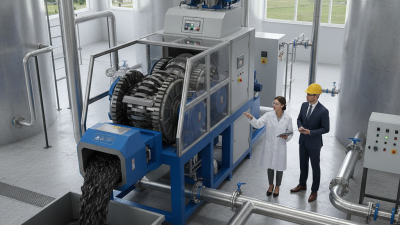
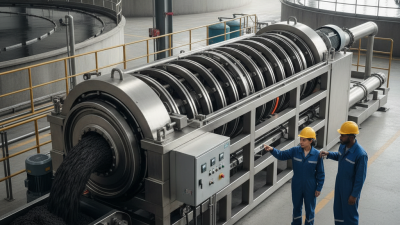
Screw press dewatering technology is essential for various industries. This method efficiently separates solids from liquids, enhancing waste management processes. It offers significant benefits, such as reducing environmental impact and lowering overall operational costs. The technology supports sustainable practices by minimizing water usage.
In many applications, screw presses handle organic waste and sludge effectively. The dewatering process involves applying mechanical pressure to release water. It can significantly reduce the volume of waste materials, making transportation and disposal easier. However, not every installation achieves optimal performance. Challenges can arise, such as equipment wear or miscalculations in the required pressure settings.
Moreover, understanding the specific characteristics of the material being dewatered is crucial. Each type of sludge has unique properties that affect the process. Ignoring these details can lead to inefficiencies and increased costs. Ongoing research and development in this field aim to refine the technology, but room for improvement remains. As new methods and materials emerge, keeping up with advancements is vital for maximizing the effectiveness of screw press dewatering.
Key Features and Advantages of Top Screw Press Models in 2026
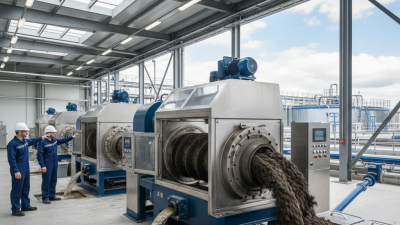
As global industries evolve, the demand for efficient dewatering solutions rises. In 2026, top screw press models stand out for their performance and benefits. These machines excel in reducing moisture content while maintaining quality. According to recent industry reports, top models can achieve moisture reduction rates of up to 80%. This efficiency not only saves resources but also enhances overall productivity.
The key features of these screw presses include their compact design and low energy consumption. Many models utilize advanced control systems, which optimize performance based on specific materials. This adaptability is crucial for various applications, from waste management to food production. However, operators must regularly maintain these machines. Neglecting maintenance can lead to decreased efficiency and unexpected downtime.
Tip: Regularly monitor the feed consistency to ensure optimal performance. This practice can significantly extend the lifespan of your equipment.
Another advantage is the ability to process various materials. Top screw press models accommodate different feedstocks, making them versatile for multiple industries. Despite these benefits, there are challenges to consider. Some operators report issues with material clogging, which may require constant adjustments. Understanding these limitations is essential for maximizing performance.
Tip: Invest in training for operators to manage common issues effectively. Well-trained staff contribute significantly to the system's overall success.
Comparative Analysis of Leading Brands and Their Dewatering Solutions
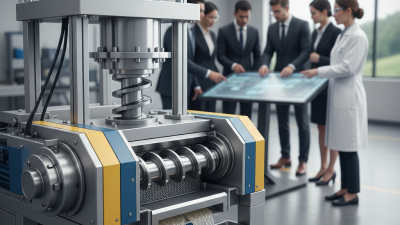
The demand for efficient dewatering solutions continues to grow across various industries. A comparative analysis shows variations in technology, performance, and energy consumption among leading brands. Recent industry reports indicate that screw press dewatering systems can achieve moisture content levels below 70%. This efficiency saves costs and promotes sustainable practices.
Market research highlights that up to 50% of operational costs in wastewater treatment can be attributed to dewatering. Brands focusing on energy-efficient designs are becoming more desirable. For instance, models using advanced screw technology often reduce energy consumption by approximately 30%. However, the reliability of such systems can vary. Potential buyers should evaluate not only performance but also the long-term maintenance needs.
Current trends suggest that innovation remains critical. Some brands adopt smart technology for real-time monitoring. However, not all products sustain high efficiency over time. Many users report performance declines after the initial stages. Therefore, conducting thorough research and considering user reviews is essential before any purchase. In an evolving market, balancing cost with quality and longevity is crucial for optimal dewatering solutions.
Applications of Screw Press Dewatering in Various Industries
Screw press dewatering solutions are gaining traction across various industries. These machines efficiently separate liquids from solids, helping to reduce waste volume. In the food processing sector, for instance, they handle vegetable waste with ease. By squeezing out water, manufacturers can lessen disposal costs and recycle nutrients.
In the paper and pulp industry, screw presses play a vital role as well. They extract water from pulp, preparing it for further processing. The drive for sustainability pushes organizations to focus on reducing water consumption. However, challenges arise in maintaining efficiency. Operators must regularly monitor performance to ensure optimal results.
Wastewater treatment facilities employ screw presses for sludge dewatering. This process minimizes transportation needs for unwanted waste. However, achieving consistent output can sometimes be difficult. Factors like feed consistency and machine maintenance affect efficiency. Continuous learning and adaptation are crucial in refining these processes.
These industries must critically evaluate their methods for improvement.
Future Trends and Innovations in Screw Press Dewatering Solutions
The future of screw press dewatering solutions is bright. Innovations are emerging rapidly. Eco-friendly materials are gaining traction in manufacturing. These materials enhance durability while reducing negative environmental impacts. The focus on sustainability is changing industry dynamics. Companies are investing in smarter designs to optimize performance.
Tips: Consider energy efficiency when choosing a screw press. High energy consumption can lead to increased operational costs. Evaluate the cost-benefit of new technologies before committing.
Smart technology integration is another trend. IoT-enabled devices provide real-time data. This data drives better decision-making and enhances operational efficiency. However, the implementation might pose challenges. Employees require training to adapt to new systems.
Tips: Regular maintenance of your screw press is crucial for longevity. It helps avoid unexpected downtime. Assess your current systems for potential upgrades. Embrace change, but proceed cautiously. Data-driven decisions will shape future success.
2026 Top Screw Press Dewatering Solutions for Global Buyers
| Solution Type |
Capacity (m³/h) |
Energy Consumption (kWh/m³) |
Material Processed |
Innovative Features |
| Continuous Duty Screw Press |
5-10 |
0.5 |
Municipal Sludge |
Self-Cleaning Mechanism |
| Batch Type Screw Press |
3-8 |
0.7 |
Food Waste |
Smart Control System |
| Mobile Screw Press |
2-6 |
0.6 |
Agricultural Waste |
Easy Transport and Setup |
| High Efficiency Screw Press |
10-20 |
0.4 |
Industrial Sludge |
Integrated Process Monitoring |