How to Choose the Best Sludge Screw Press for Your Needs?
Choosing the right Sludge Screw Press can significantly impact the efficiency of waste management processes. According to industry reports, sludge treatment accounts for 30% of operational costs in wastewater treatment plants. This highlights the importance of selecting an appropriate press that meets specific needs.
Many facilities struggle with balancing initial investment and long-term operational efficiency. The right Sludge Screw Press not only reduces sludge volume but also enhances dewatering capabilities. Reports indicate that advanced models can achieve up to 90% dry solids, leading to lower disposal costs.
However, the decision-making process can be complicated. Factors such as capacity, energy consumption, and maintenance must be considered. Some systems may promise efficiency but require extensive upkeep. It's essential to evaluate these factors thoroughly to avoid potential pitfalls. An informed choice can lead to improved sustainability and cost savings in the long run.
Understanding Sludge Screw Press: Definition and Functionality
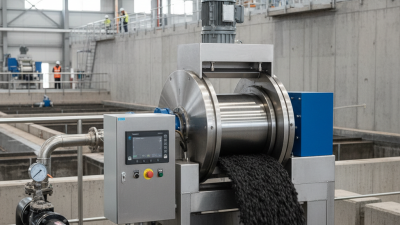
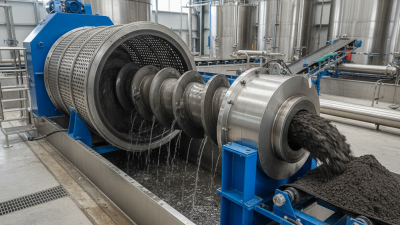
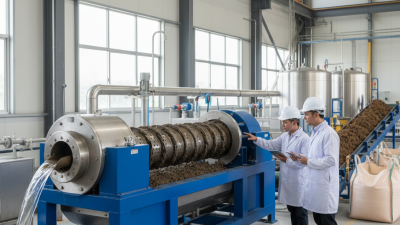
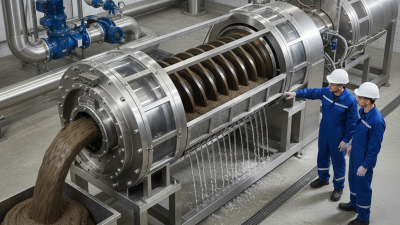
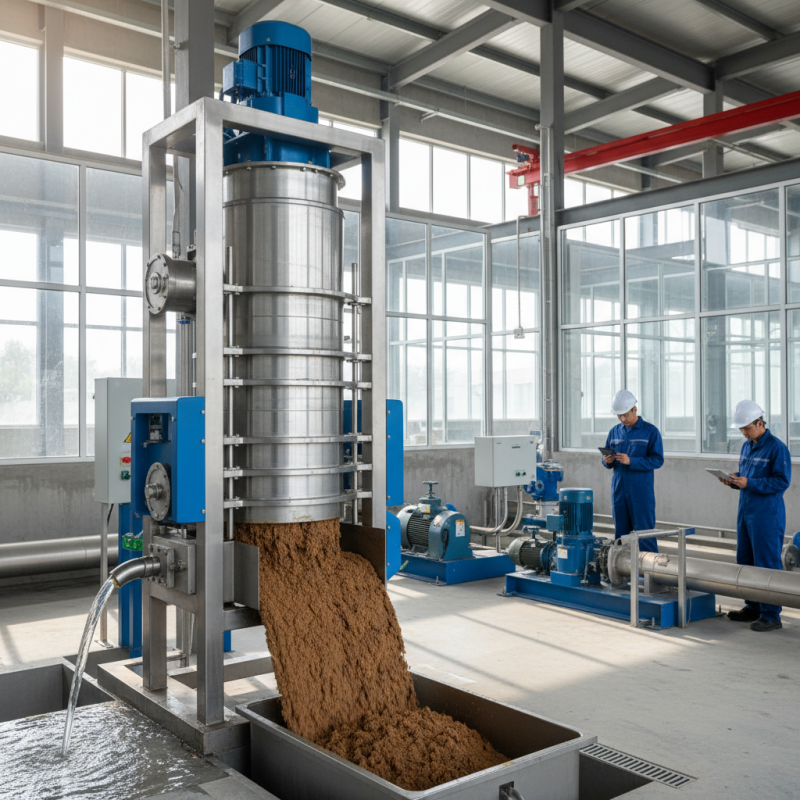
A sludge screw press is an essential piece of equipment in wastewater treatment. It is designed to dewater sludge efficiently, reducing the volume of waste. This machine operates by separating liquids from solids using a rotating screw within a cylindrical filter. The pressure increases as the sludge moves through the press, resulting in dryer sludge cake and clearer filtrate.
Understanding its functionality is key for choosing the right type. The performance can vary based on parameters like feed rate and solids concentration. A properly designed screw press minimizes energy costs and maximizes output. However, not every model suits every situation. You may need to consider maintenance requirements or operational complexities.
Many users report challenges with specific sludge types, which can affect performance. This highlights the importance of analyzing your specific needs. It’s common to encounter issues like clogging or inadequate dewatering. Reflecting on these challenges can help in making a well-informed decision. Choosing the right sludge screw press is not just about specifications; understanding your unique requirements is vital.
Key Factors to Consider When Choosing a Sludge Screw Press
When choosing a sludge screw press, several key factors should be considered. The first is the capacity of the machine. It should align with your processing needs. Assess the volume of sludge you handle daily. A machine too small may cause bottlenecks. Conversely, an oversized press can waste resources.
Another critical factor is the solids content of the sludge. Different applications have varying requirements. A higher solids content may require advanced dewatering features. It's essential to evaluate the specific characteristics of your sludge. This ensures optimal performance and efficiency.
Maintenance is another aspect that shouldn't be overlooked. Some models demand more frequent service than others. Check the ease of access to parts and the availability of support. Regular maintenance is vital for longevity and reliable operation. Choosing the right sludge screw press means understanding your unique needs and limitations.
How to Choose the Best Sludge Screw Press for Your Needs?
| Feature |
Description |
Importance |
| Capacity |
Amount of sludge processed per hour. |
High |
| Power Consumption |
Energy required for operation. |
Medium |
| Material Quality |
Durability of materials used in construction. |
High |
| Maintenance Requirements |
Frequency and ease of maintenance tasks. |
High |
| Footprint |
Space required for installation. |
Medium |
| Price |
Initial cost and warranty offered. |
High |
Technical Specifications: Capacity, Efficiency, and Design Options
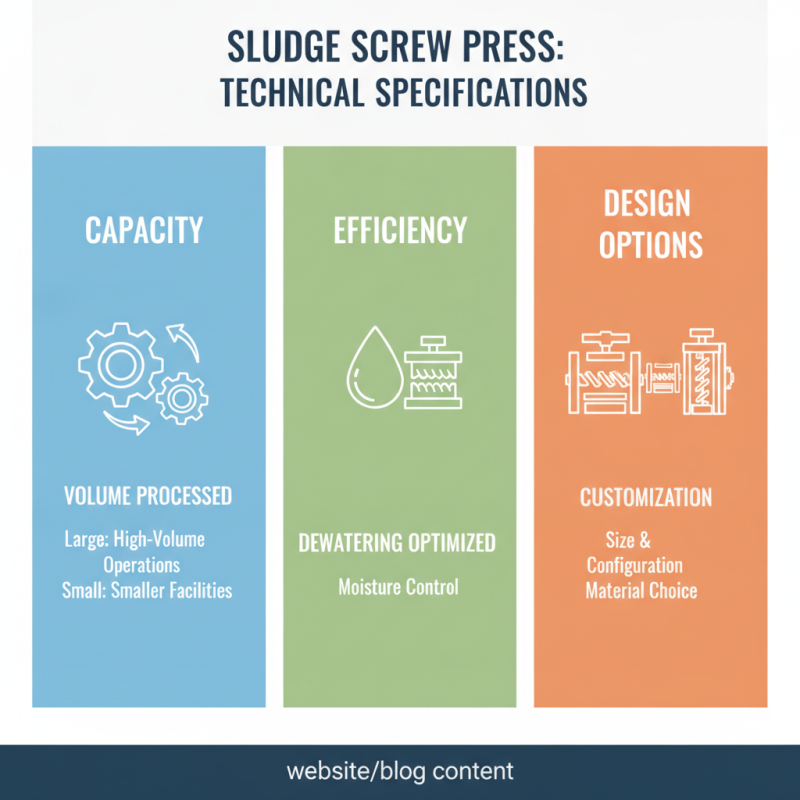
When choosing a sludge screw press, technical specifications are crucial. Pay attention to capacity, as it determines how much sludge can be processed. A larger capacity suits high-volume operations, while smaller models work for smaller facilities. Efficiency is another key factor. Look for models that retain moisture control and optimize dewatering.
Design options also play a significant role in selection. Different designs cater to various industrial needs. Some may have better energy efficiency, reducing long-term operational costs. Others may focus on ease of maintenance. This factor can affect downtime and, ultimately, productivity.
However, remember that not all options fit every scenario. Reflect on your operational goals and constraints. Balancing between specifications and your facility’s needs is vital. What seems efficient on paper may not always translate to real-world effectiveness. It's worth considering trial periods or consultations before making a purchase.
Industry Applications and Best Practices for Sludge Screw Presses
When selecting a sludge screw press, understanding its industry applications is crucial. These devices are widely used in wastewater treatment, agricultural waste management, and food processing. According to the Water Environment Federation, nearly 50% of municipal wastewater treatment plants utilize mechanical dewatering systems. The effectiveness of a sludge screw press lies in its ability to reduce sludge volume by up to 50%, making it a valuable tool for managing waste efficiently.
Tip: Assess your sludge composition. Different types of sludge require tailored approaches for successful dewatering. For example, thickened and digested sludge may behave differently during processing, influencing your choice of equipment.
Best practices highlight the need for routine maintenance. Regularly checking seals, bearings, and motors helps prevent operational failures. The average downtime due to equipment failure can reach 10-15%, resulting in significant cost implications. Thus, maintaining your equipment ensures continuous operation while minimizing downtime.
Tip: Train your staff thoroughly. Proper training fosters an understanding of the equipment and can enhance operational efficiency. Unexpected issues can often arise due to lack of knowledge, leading to inefficiencies and increased costs.
Incorporating these practices allows for better investment in equipment and resources, ensuring that the chosen sludge screw press meets the specific needs of your operations effectively.
Evaluating Cost-Effectiveness and Maintenance of Sludge Screw Presses
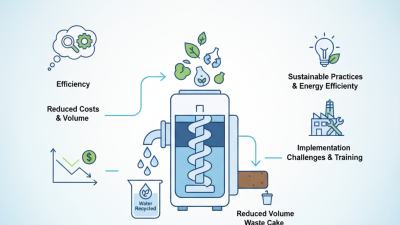
When evaluating the cost-effectiveness of sludge screw presses, several factors come into play. Initial purchase price is only one aspect. Consider long-term operational costs, including energy consumption and labor. Lower energy usage can lead to significant savings over time. Maintenance costs also impact overall efficiency. Routine inspections and part replacements are necessary. Skimping on maintenance can result in larger issues, affecting both function and budget.
Maintenance considerations should not be overlooked. Regular cleaning and part checks can prevent unexpected breakdowns. Some users may underinvest in upkeep, only to face costly repairs later. A reliable maintenance plan helps in prolonging the equipment's lifespan. Evaluate the supplier's support services. Good support can ease maintenance burdens and ensure smooth operation.
It's also important to assess the environmental aspects. Choose machines that minimize waste and optimize efficiency. This not only meets regulatory standards but can also lead to decreased disposal costs. Think about how the press fits into your existing system. Its integration can affect both maintenance and operational ease. Balancing costs and performance is essential to finding the right solution for your needs.
Cost-Effectiveness and Maintenance of Sludge Screw Presses