2026 Top Solar Push Flow Aerator Benefits for Global Buyers?
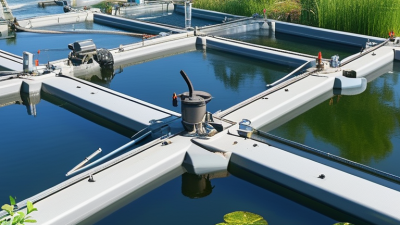
As the world shifts towards sustainable solutions, the demand for efficient water treatment technologies rises. The Solar Push Flow Aerator stands out as a game-changer in this arena. With its innovative design, this aerator harnesses solar energy to enhance water quality and promote healthy aquatic ecosystems.
For global buyers, understanding the benefits of the Solar Push Flow Aerator is essential. This equipment not only reduces energy costs but also minimizes environmental impact. Its ability to aerate water optimally makes it suitable for various applications, from ponds to wastewater treatment. However, are we fully aware of the potential challenges? The effectiveness can vary based on geographical factors and maintenance needs.
Investing in a Solar Push Flow Aerator requires careful consideration. Buyers must weigh efficiency against initial costs and long-term benefits. As we embrace this technology, questions remain about its adaptability in different climates. Ensuring reliable performance will be key to maximizing the advantages this aerator can offer. As we explore further, the insights gained may lead to more informed decisions in promoting sustainable water management practices.
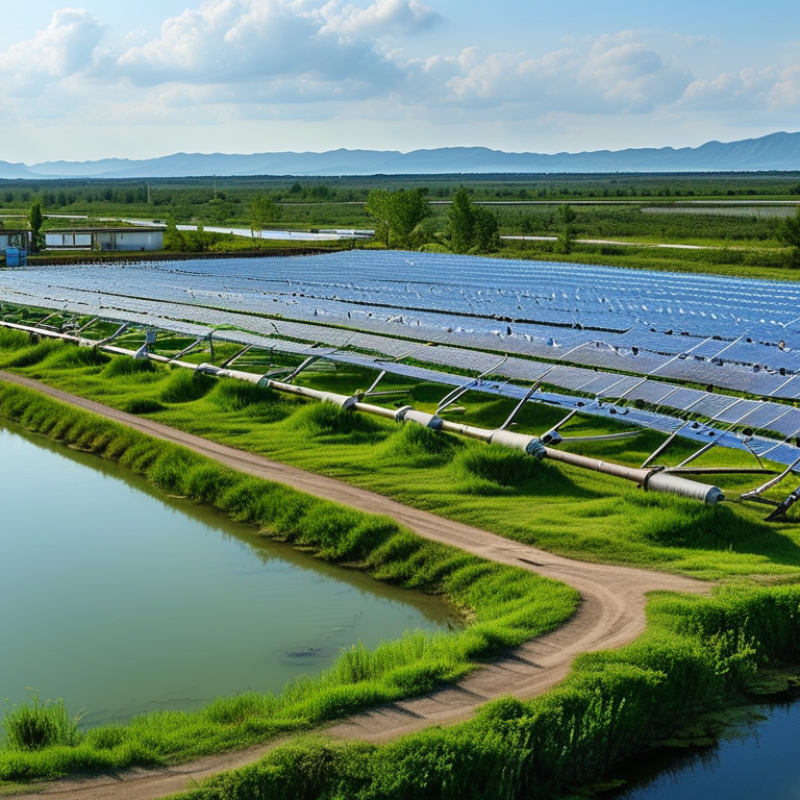
Benefits of Solar Push Flow Aerators for Water Treatment
Solar push flow aerators are gaining momentum in water treatment for their efficiency and sustainability.
Utilizing solar energy, these systems enhance oxygen transfer rates in water bodies. According to a recent
study by the Environmental Protection Agency, water bodies with sufficient dissolved oxygen levels can
significantly reduce algae blooms and improve aquatic ecosystems.
The environmental benefits of solar aerators cannot be overstated. A report from the International Water
Association indicates that using solar-powered systems can reduce operational costs by up to 40%. These
systems require minimal maintenance, relying on renewable energy sources. However, initial setup costs can
be high, and not all locations have adequate sunlight year-round. This limits their applicability in some
regions, necessitating further innovation.
In addition to cost savings, solar push flow aerators contribute to better water quality. Research highlights
that these systems can increase the lifespan of water treatment facilities. Improved aeration leads to more
efficient pollutant breakdown. Nevertheless, users must consider local climate conditions before deployment.
Some areas may experience long periods of cloudy weather, reducing efficiency. Balancing these factors is
crucial for maximizing benefits.
Cost-Effective Advantages of Solar Energy in Aeration Systems
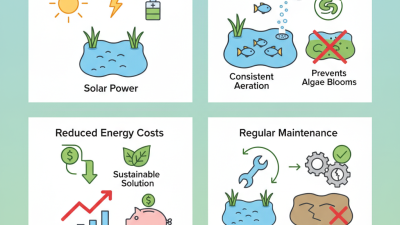
The shift towards solar energy in aeration systems brings significant cost-effective benefits, especially for global buyers. As environmental concerns grow, many industries seek sustainable alternatives. Solar-powered aerators reduce reliance on conventional energy sources, leading to lower operational costs. They utilize sunlight, a free and abundant resource, to deliver consistent performance.
Investing in solar aeration systems can significantly reduce electricity bills. Traditional aeration often incurs high energy costs. With solar energy, these expenses dramatically decrease. Additionally, maintenance costs tend to be lower. Fewer moving parts in solar systems reduce potential mechanical failures.
However, challenges exist. Initial setup costs for solar systems can be daunting. The efficiency of solar panels may vary based on locations and seasons. Not all areas receive the same sunlight intensity, leading to fluctuations in performance. Buyers must assess their unique conditions to ensure sustainability aligns with efficiency. Adjusting to solar technology requires a shift in mindset and practices. Embracing these systems means committing to long-term benefits and addressing potential limitations.
2026 Top Solar Push Flow Aerator Benefits for Global Buyers
| Benefit |
Description |
Cost Savings (%) |
Environmental Impact |
ROI Period (Years) |
| Reduced Operating Costs |
Utilization of solar energy reduces electricity bills. |
30% |
Decreases reliance on fossil fuels. |
3 |
| Sustainability |
Long-lasting systems with low maintenance. |
N/A |
Promotes clean water standards. |
5 |
| Increased Efficiency |
Advanced technology improves aeration performance. |
40% |
Enhances oxygen levels in water bodies. |
4 |
| Versatility |
Applicable in various water treatment settings. |
N/A |
Supports diverse aquatic ecosystems. |
2 |
| Government Incentives |
Subsidies and tax breaks for solar equipment. |
20% |
Encourages renewable energy use. |
1 |
Environmental Impact: Reducing Carbon Footprint with Solar Aerators
The environmental benefits of solar push flow aerators are significant. These devices enhance water quality by increasing oxygen levels, promoting healthy aquatic ecosystems. Traditional aeration methods often rely on fossil fuels, which raise carbon emissions. In contrast, solar aerators harness renewable energy. They reduce dependence on non-renewable resources and minimize ecological footprints.
Using solar energy for aeration offers sustainable benefits. It operates quietly and efficiently, avoiding noise pollution. Additionally, maintenance costs decrease since solar aerators rely less on mechanical components. However, the need for sunlight can limit their effectiveness in cloudy regions. This variability may affect buyers' decisions in certain markets.
Adopting solar aerators can be a valuable step toward sustainability. They provide crucial support for water bodies and aquatic life. As awareness grows, so does the potential for broader implementation. Yet, it's essential to consider each project's specific needs and environmental conditions. The shift toward solar solutions is promising but requires careful planning and analysis.
Key Features of 2026 Solar Push Flow Aerators for Global Buyers
The 2026 Solar Push Flow Aerator showcases several key features that appeal to global buyers. These innovative devices employ solar power for efficient aeration, significantly reducing reliance on traditional energy sources. They operate silently and require minimal maintenance, making them attractive for eco-conscious consumers. According to a recent industry report, solar aerators can enhance water quality and promote aquatic life by improving oxygen levels in ponds and lakes.
One notable aspect is their adaptability to various environments. Solar push flow aerators can be used in remote locations without electrical infrastructure. This versatility allows them to serve agricultural, aquaculture, and recreational purposes. Data suggests that integrating solar technology can reduce energy costs by up to 50%, offering long-term savings and sustainability benefits. However, potential buyers should consider factors like installation challenges and weather dependency.
Moreover, the longevity of these solar systems is remarkable, with some models lasting over 15 years. Despite this, technology evolves rapidly, and upgrades may be needed sooner than expected. Thus, evaluating the initial investment against future needs is essential for buyers. By making informed choices, global buyers can leverage the potential of solar push flow aerators while facing some unpredictability in performance due to environmental variables.
Market Trends: Adoption of Solar Technology in Aeration Solutions
The rising interest in solar technology is transforming aeration solutions worldwide. Solar push flow aerators harness renewable energy, significantly reducing operational costs. Many industries are shifting to this eco-friendly option. As energy prices fluctuate, solar solutions remain stable. Users appreciate the reduced carbon footprint and long-term savings.
Market trends show a growing adoption of solar-powered systems. These aerators operate quietly and efficiently in various environments. Farmers, municipalities, and aquaculture facilities see impressive results. However, challenges exist. The initial investment can be high, and installation requires expertise. Users must also consider varying weather conditions affecting performance.
Despite these concerns, the advantages are compelling. Increased sustainability leads to enhanced water quality and ecosystem health. Many stakeholders are exploring partnerships to share knowledge. The future holds promise, yet ongoing research is essential. The solar push flow aerator market continues to evolve, reflecting broader environmental trends. Adapting to these changes is crucial for long-term success.
2026 Solar Push Flow Aerator Benefits