Top 10 Benefits of Mixing Mortar With Paddle Mixer for Efficiency?
Mixing Mortar With Paddle Mixer can dramatically enhance project efficiency. This method not only saves time but also improves consistency. Contractors often face challenges when mixing mortar by hand. The process can be labor-intensive and may lead to variations in texture and strength.
Using a paddle mixer simplifies this task. It ensures a uniform mixture, reducing the risk of errors. A reliable mixer cuts down on preparation time, allowing workers to focus on other aspects of their projects. Additionally, this approach can help minimize waste, as it allows for precise measurements.
However, potential users should be aware that not all paddle mixers are created equal. Choosing the right equipment is essential for optimal performance. It requires research and understanding of each tool's capabilities. Investing in quality may seem daunting but it pays off in efficiency and output. Overall, Mixing Mortar With Paddle Mixer offers several advantages, yet it also demands careful consideration.
Benefits of Paddle Mixers in Mortar Preparation for Construction Efficiency
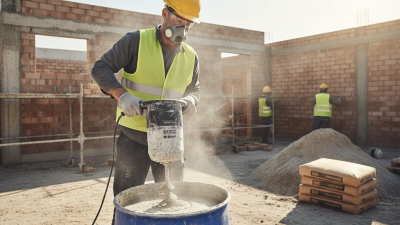
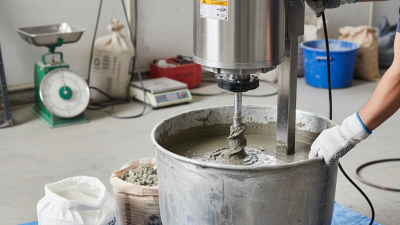
Paddle mixers are essential tools for efficient mortar preparation in construction. They ensure uniformity, blending sand, water, and cement effectively. This consistency is crucial for the strength and durability of the final product. A well-mixed mortar adheres better to surfaces, reducing the risk of cracking or failure.
Using a paddle mixer can significantly save time on construction projects. Traditionally, mixing mortar was a labor-intensive task. Now, with paddle mixers, the process becomes quicker and less strenuous. However, some may find it challenging to master the machine's operation. It's important to understand the right speed and mixing duration for different materials.
Another advantage is the reduced physical strain on workers. Mortar mixing can be a heavy and tiring job. Paddle mixers can alleviate this burden, promoting a safer work environment. However, it's crucial to ensure that all safety measures are in place when using this equipment. While paddle mixers enhance efficiency, proper training is vital to avoid accidents and ensure reliable results.
Top 10 Benefits of Mixing Mortar With Paddle Mixer for Efficiency
| Benefit |
Description |
Efficiency Impact |
| Consistent Mixing |
Ensures uniformity in mortar texture and strength. |
Reduces rework due to inconsistencies. |
| Time-Saving |
Mixing speeds are significantly increased. |
Allows more jobs to be completed in a shorter time. |
| Labor Reduction |
Less manual mixing required, freeing workers for other tasks. |
Enhances overall productivity. |
| Improved Workability |
Creates a smoother, more workable mixture. |
Reduces effort needed in application. |
| Minimized Material Waste |
Precise proportions lead to better material usage. |
Lower costs due to reduced waste. |
| Versatility |
Can mix a variety of materials beyond mortar. |
Accommodates different project needs. |
| Enhanced Mixing Quality |
Achieves a higher quality mix through mechanical action. |
Results in stronger, more durable mortar. |
| Easier Cleanup |
Paddle mixers allow for quick disassembly and cleaning. |
Saves time on maintenance. |
| Safety Improvements |
Reduces physical strain on workers during mixing tasks. |
Enhances overall site safety. |
| Reduced Mixing Time |
Faster mixing times lead to quicker project timelines. |
Improves project scheduling and delivery. |
Enhanced Consistency and Quality in Mortar Mixture Using Paddle Mixers
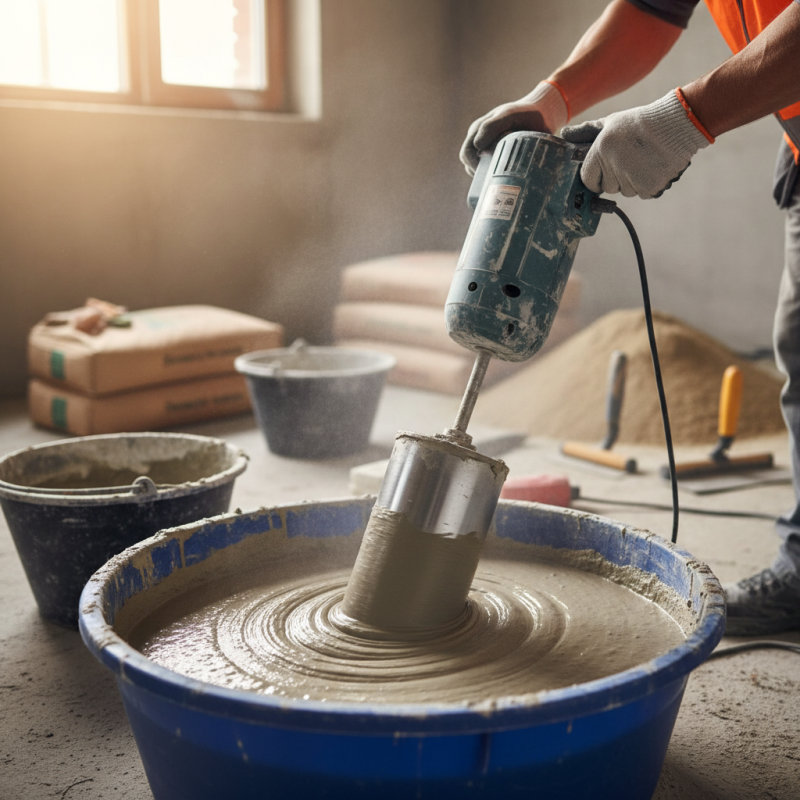
Using a paddle mixer for mortar not only saves time but also ensures better consistency and quality. When mixing mortar by hand, achieving a uniform texture can be challenging. This can lead to weak spots in the mixture. A paddle mixer provides even blending, minimizing these issues. This machinery mixes materials quickly and thoroughly, ensuring all components are well integrated.
Consistency is crucial in construction. Inconsistent mortar can jeopardize the integrity of a structure. Paddle mixers create a homogeneous blend, reducing the risk of uneven application. This results in stronger bonds between bricks or stones. The end product is not just reliable but also visually appealing. However, relying solely on machinery can sometimes overlook the nuances of manual mixing. There is a balance to be found between technology and traditional methods.
In addition, the quality of mortar can directly influence the durability of construction projects. With a paddle mixer, you can achieve a texture that is perfect for various applications. Different projects may require different consistencies, and a paddle mixer can cater to these needs effectively. Experimenting with different settings can lead to improved outcomes, but it may take practice to perfect. Even experienced builders can benefit from periodic reflection on their mixing techniques.
Top 10 Benefits of Mixing Mortar With Paddle Mixer for Efficiency
Time Savings: Comparing Manual Mixing vs. Paddle Mixer Efficiency
Mixing mortar manually is often a time-consuming task. Studies indicate that using a paddle mixer can cut mixing time by up to 50%. This efficiency allows workers to focus on other critical tasks, such as placing and finishing. In a recent survey, construction professionals noted a drastic decrease in fatigue when switching to a paddle mixer. Less physical strain means higher productivity over the course of a workday.
Tips for efficiency: Ensure you have the right paddle attachment for your mixer to achieve the best results. Improper attachments can lead to uneven mixing and wasted materials. Regularly check the mixer’s condition to minimize downtime. Workers often overlook maintenance, leading to inefficient mixing and delays.
A potential downside to paddle mixers is the initial cost. Some teams may hesitate to invest in new equipment. However, considering the time savings and reduced labor costs, the investment can prove worthwhile. It's crucial to evaluate your project's scale to justify the purchase. When weighed against manual mixing, paddle mixers offer a clear advantage in both performance and labor efficiency.
Labor Cost Reduction Through Increased Mortar Mixing Productivity
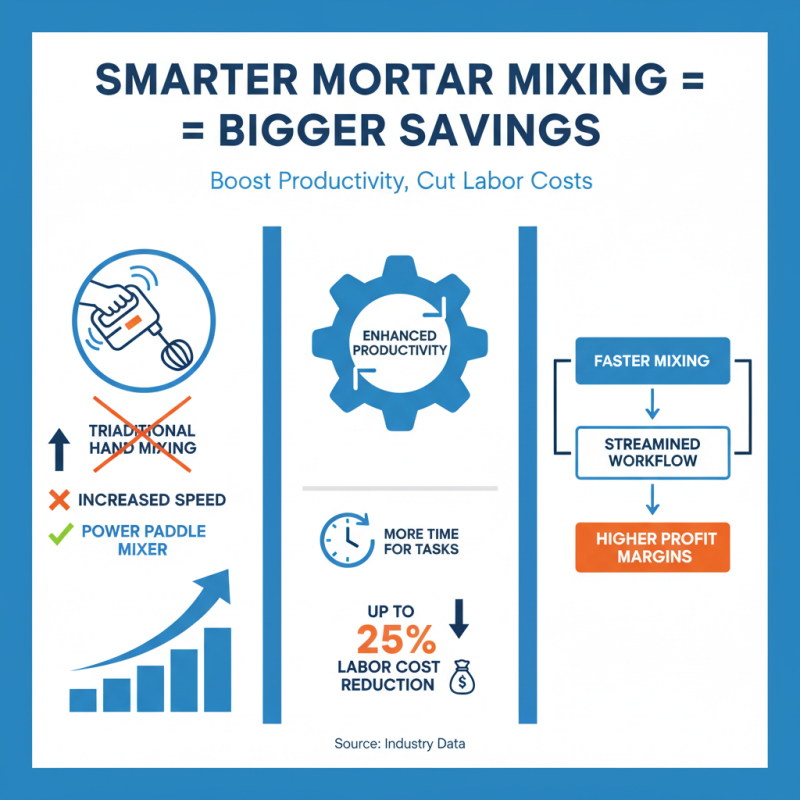
Mixing mortar with a paddle mixer can significantly enhance productivity on construction sites. Industry data indicates that efficient mixing can reduce labor costs by up to 25%. By increasing the speed of mixing, crews can allocate more time to pressing tasks, ultimately leading to a more streamlined workflow.
Using a paddle mixer improves consistency in mortar production. Consistent mortar reduces the likelihood of repairs or rework, which can inflate costs. According to a recent report from the Construction Industry Institute, inconsistent mortar can lead to up to 15% more errors in job execution. This emphasizes the need for better mixing methods in construction.
Tip: Ensure the paddle mixer is properly maintained to extend its lifespan and guarantee optimal performance. Regular checks can prevent costly downtime. Additionally, consider training your crew on efficient mixing techniques. Well-trained staff can help maximize productivity while minimizing waste.
Improved Worksite Safety and Reduced Physical Strain with Paddle Mixers
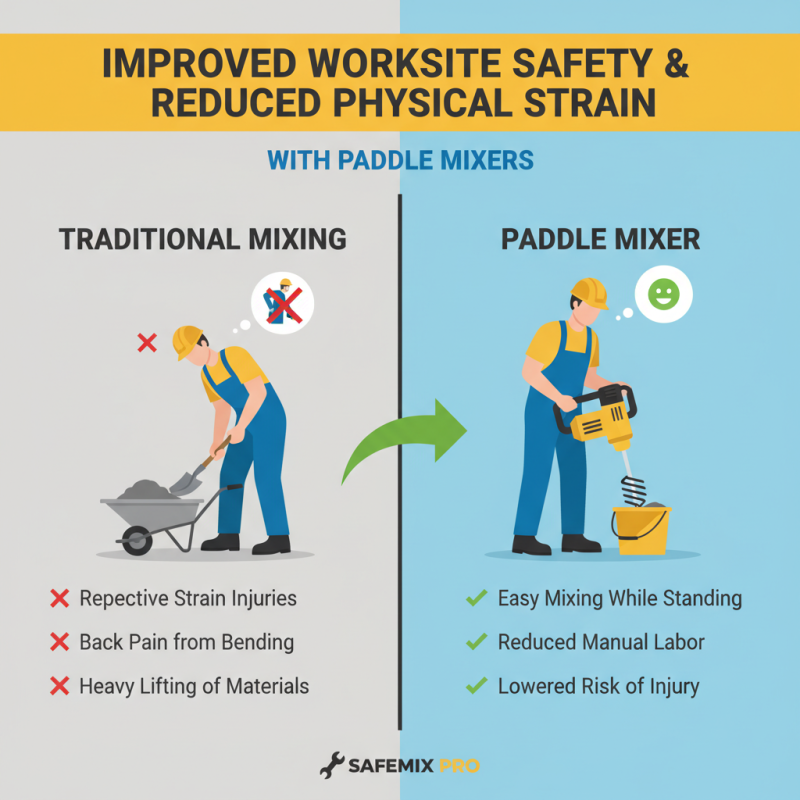
Mixing mortar with a paddle mixer offers notable improvements in worksite safety. Traditional mixing methods often lead to repetitive strain injuries. Workers can suffer back pain due to bending and lifting heavy bags of mortar. A paddle mixer reduces this need for manual labor. It allows for easy mixing while standing, lowering the risk of injury.
The use of a paddle mixer minimizes the potential for accidents on-site. Loose material can cause slips and falls, especially in wet conditions. By mixing directly in place, workers maintain a cleaner environment. This not only enhances safety but also improves workflow efficiency. Less time spent on mixing means more time can be spent on actual construction tasks.
However, it’s essential to consider proper training when using paddle mixers. Inexperienced users may struggle initially. They might mix too quickly or too slowly, leading to inconsistent mortar consistency. This can impact the final result of construction projects. Thus, ensuring all workers are adequately trained is vital. Taking time to train can lead to fewer mistakes in the long run.