Top 5 Dewatering Screw Press Design Tips for Global Buyers?
The demand for effective dewatering solutions is growing globally. Industries across waste management, food processing, and agriculture require efficient systems. According to recent studies, dewatering screw presses offer innovative solutions with proven efficiency rates exceeding 90%. This technology not only optimizes water removal but also enhances solid recovery.
Designing a dewatering screw press is complex. It requires a balance of technical knowledge and practical experience. Key parameters include feed consistency, desired moisture content, and operational conditions. Buyers must pay attention to these elements, as a poorly designed screw press can lead to inefficiencies. A well-thought-out design impacts overall productivity and long-term cost savings.
Professionals in the field emphasize the importance of customization. Every application is unique, making tailored designs critical. Incorporating feedback from end-users can lead to better performance. While advancements in dewatering screw press design are notable, there remains room for improvement in addressing diverse industrial needs. The challenges in this sector highlight the significance of continual innovation and responsiveness.
Understanding the Basics of Dewatering Screw Press Functionality
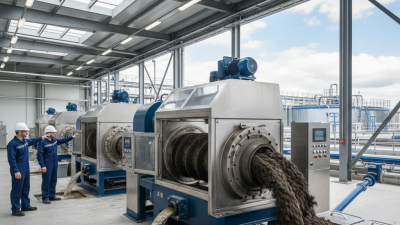
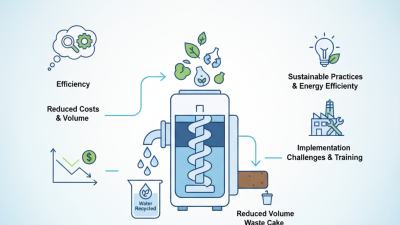
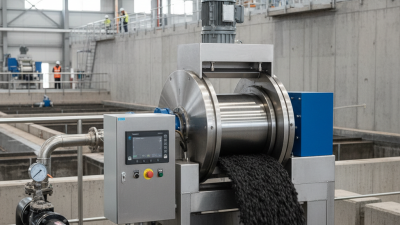
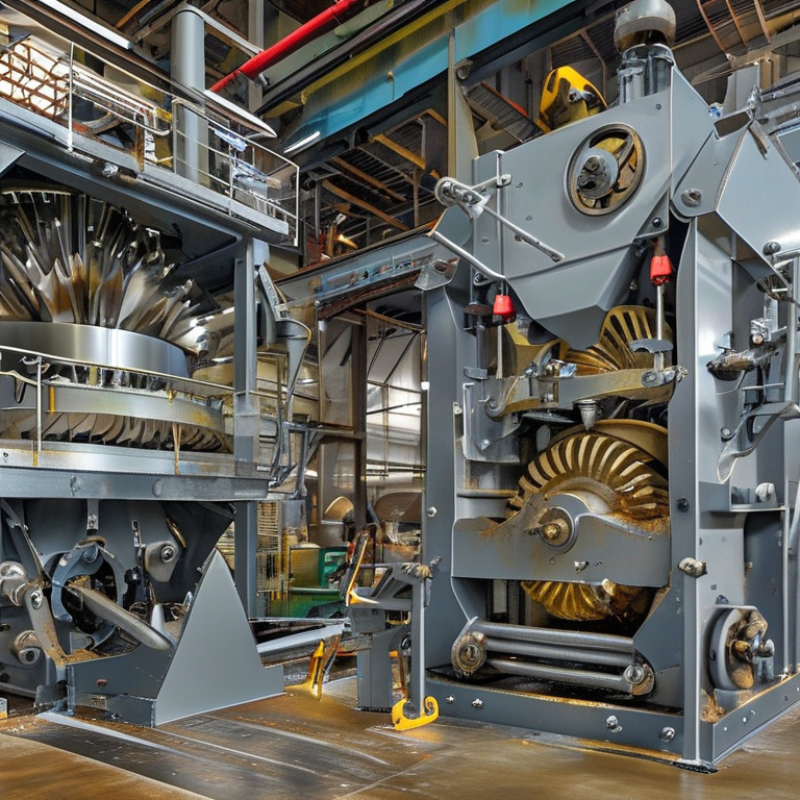
Dewatering screw presses are vital in various industries. They effectively reduce the volume of sludge and other wet materials. Understanding how they function is essential for global buyers. A well-designed screw press combines engineering and practical application to maximize efficiency. The technology utilizes a screw mechanism to transport material while draining moisture simultaneously.
The core functionality relies on a continuous feed of materials. As the screw moves, it applies pressure, squeezing out water. This process is critical for improving material density and reducing disposal costs. However, challenges exist. Not all materials dewater uniformly, which can hinder performance. Adjustments in speed and pressure may be necessary.
Implementing these machines requires thoughtful consideration of design elements. Factors like screw diameter, pitch, and length influence how materials are processed. An effective design should balance efficiency with maintenance requirements. Keeping these details in mind ensures better performance and longevity. A focus on adaptability is key, as not all sites will have the same material characteristics.
Key Design Parameters to Consider in Dewatering Screw Presses
When choosing a dewatering screw press, several design parameters warrant careful evaluation. First and foremost, the diameter of the screw plays a crucial role in determining the efficiency of the dewatering process. A larger diameter can handle more material but may require more power. It's essential to balance between capacity and energy consumption.
Another key aspect is the length of the dewatering zone. A longer zone allows for better solid-liquid separation, but it can also lead to increased wear and maintenance needs. Always assess the trade-offs between effective dewatering and operational costs. Pay attention to the wear-resistant materials used in the construction. Different environments may necessitate specific material choices to prolong the lifespan of the equipment.
Lastly, adjustable settings for the pressure and drainage angle can optimize your process. These features enable customizations based on varying feed conditions. However, they introduce complexity in operation. It's vital to ensure operators are trained and familiar with these adjustments for optimal performance. Consider these details to make informed decisions in the design of dewatering screw presses.
Material Selection for Optimal Performance and Durability
Material selection is crucial for the performance and longevity of dewatering screw presses. The right materials can significantly impact efficiency, resistance to wear, and overall durability. Common materials include
stainless steel and high-density polyethylene, each offering advantages in specific environments. Stainless steel resists corrosion but can be costly. On the other hand, polyethylene is lightweight and affordable, but may not withstand extreme conditions.
The unique aspects of the operating environment should also inform material choices. For example, abrasive materials can swiftly degrade softer surfaces. In such cases, considering hardened alloys or coatings may enhance wear resistance. Using composite materials can also improve load-bearing capacity while reducing weight. Yet, evaluating the environment sometimes reveals a lack of perfect solutions.
Experiencing the limitations of various materials is essential for informed decisions. Conducting tests can provide insights, but results might vary under different conditions. An iterative approach to material selection allows for adjustments based on operational feedback and real-world performance. This ongoing reflection can lead to better outcomes and improved designs.
Energy Efficiency Features for Sustainable Dewatering Solutions
Energy efficiency is becoming a critical factor in dewatering solutions. A significant aspect of the design for screw presses is their electricity consumption. Reports suggest that energy costs can account for 35-50% of the total operational expenses in wastewater treatment plants. Thus, optimizing energy use is essential. Effective designs can result in energy savings of up to 30%. This creates more sustainable operations and reduces the carbon footprint of large facilities.
Modern dewatering screw presses integrate advanced technologies. Variable frequency drives (VFDs) enhance operational efficiency. These devices adjust motor speed based on real-time conditions. This adaptability reduces energy waste by 20-40% compared to traditional systems. As organizations strive for greener practices, understanding energy efficiency features is vital. The challenge remains to retrofit existing systems without substantial expenditures.
While energy-efficient designs are crucial, some users face a steep learning curve. Implementation may require specialized training for staff. Furthermore, the initial investment can deter potential buyers despite long-term savings. Acknowledging these hurdles is necessary for a balanced view of the market. Sustainable solutions must harmonize technology and practicality to ensure widespread adoption.
Maintenance Strategies to Enhance Screw Press Longevity and Reliability
Dewatering screw presses are critical in various industries, including agriculture and wastewater treatment. Regular maintenance is essential for enhancing their longevity. According to a 2022 report by Environmental Technology, timely maintenance can increase equipment lifespan by 30%. Routine checks prevent minor issues from escalating into costly failures.
Lubrication is one key maintenance strategy. Proper lubrication minimizes wear and tear on moving parts. Regular inspections also allow for the detection of abnormal vibrations or wear patterns. Such discrepancies can indicate underlying problems. Additionally, it is vital to clean filters and screens regularly. Blockages can reduce efficiency and lead to equipment stress.
Understanding the specific operating conditions is essential. Each installation may face unique challenges, such as varying feed materials or environmental factors. Adapting maintenance practices accordingly enhances reliability. Neglecting maintenance routines can lead to unexpected downtime. This often results in decreased productivity and higher operating costs. Investing in proper maintenance training is also crucial. This ensures staff members recognize early signs of wear and address them promptly.
Top 5 Dewatering Screw Press Design Tips for Global Buyers
| Design Tip |
Description |
Maintenance Strategy |
Expected Longevity |
| Robust Frame Design |
A sturdy structure to withstand varying loads. |
Routine inspections for structural integrity. |
8-10 years |
| Efficient Screw Geometry |
Optimal design to enhance dewatering efficiency. |
Regular monitoring of performance metrics. |
5-7 years |
| Quality Material Selection |
Use of corrosion-resistant and durable materials. |
Coating and cleaning treatments as needed. |
10-15 years |
| Integration of Automation |
Automated controls for monitoring and operation. |
Regular software updates and system checks. |
5-7 years |
| User-Friendly Design |
Simplified access for maintenance and operation. |
Training for operators and maintenance staff. |
6-8 years |