Paddle On Mixer Tips for Optimal Performance and Efficiency?
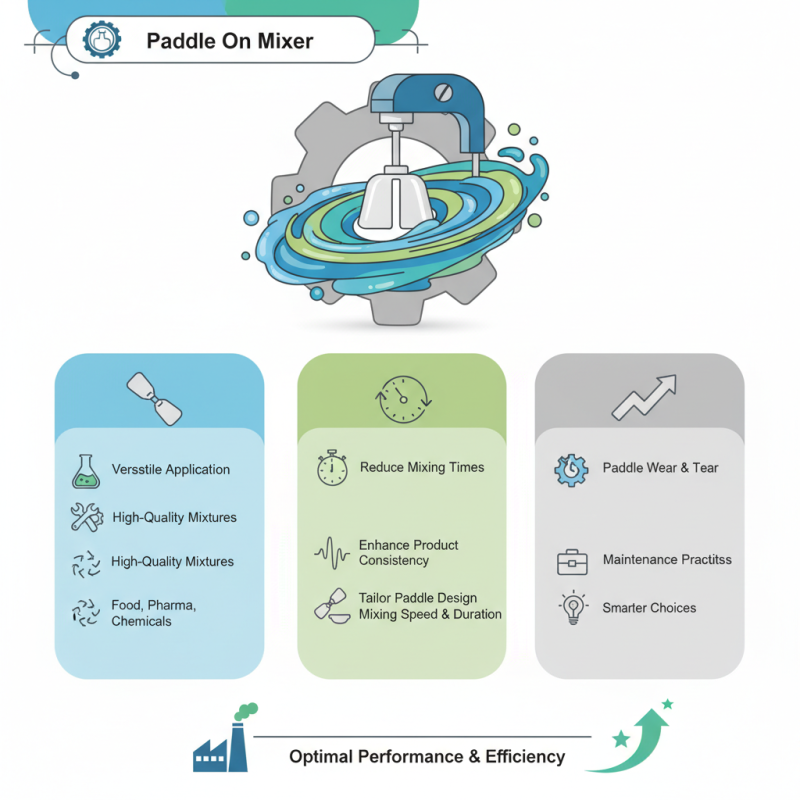
In the world of manufacturing, the Paddle On Mixer stands out for its versatile application. It is essential for achieving high-quality mixtures in various industries, including food, pharmaceuticals, and chemicals. Understanding how to optimize this equipment can lead to significant improvements in efficiency and performance.
Properly operated, the Paddle On Mixer can reduce mixing times and enhance product consistency. However, many users overlook simple adjustments that can make a big difference. For example, the paddle design might need to be tailored to the specific materials being mixed. Operators should pay attention to the mixing speed and duration, as these directly impact blending results.
Despite its benefits, many users report challenges with paddle wear and tear or inconsistent mixing results. Reflecting on these issues can lead to better maintenance practices and smarter operational choices. Emphasizing these factors can help harness the full potential of Paddle On Mixers, ensuring they deliver optimal performance day in and day out.
Understanding Paddle On Mixers: Basics and Functionality
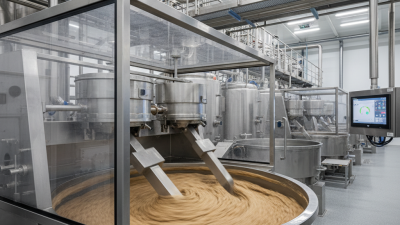
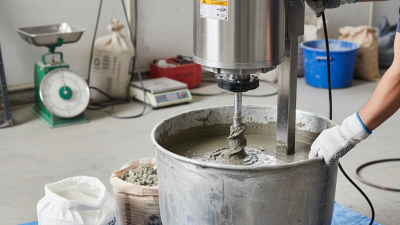
Paddle on mixers are essential tools in various industries, including food production, pharmaceuticals, and chemical processing. They work by incorporating ingredients uniformly, ensuring consistent texture and flavor. Understanding their basic functionality is crucial for optimal results. A paddle mixer typically consists of a rotating paddle that moves through the material. This movement creates a gentle mixing action, which is especially useful for viscous materials.
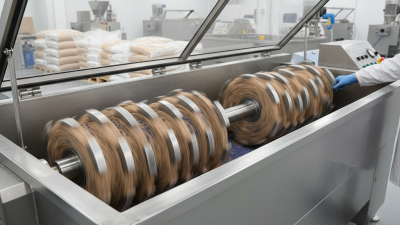
The design of the paddle plays a significant role in the efficiency of the mixer. Different shapes and sizes affect the mixing speed and quality. Users often encounter issues like uneven mixing or product build-up. Adjusting the speed and adding scrapers can help mitigate these problems. Regular cleaning is vital, as leftover materials can impact performance. However, finding the right balance between cleaning frequency and downtime is a common challenge.
Choosing the correct mixer for specific tasks requires a deep understanding of the material properties. Factors such as viscosity, shear sensitivity, and batch size must be considered. Mistakes in selection can lead to ineffective mixing. It’s critical to conduct tests to determine adequate paddle configuration and speed settings. Experimentation and adaptation are key to achieving the best results. Understanding these foundational elements can lead to more efficient processes and improved product quality.
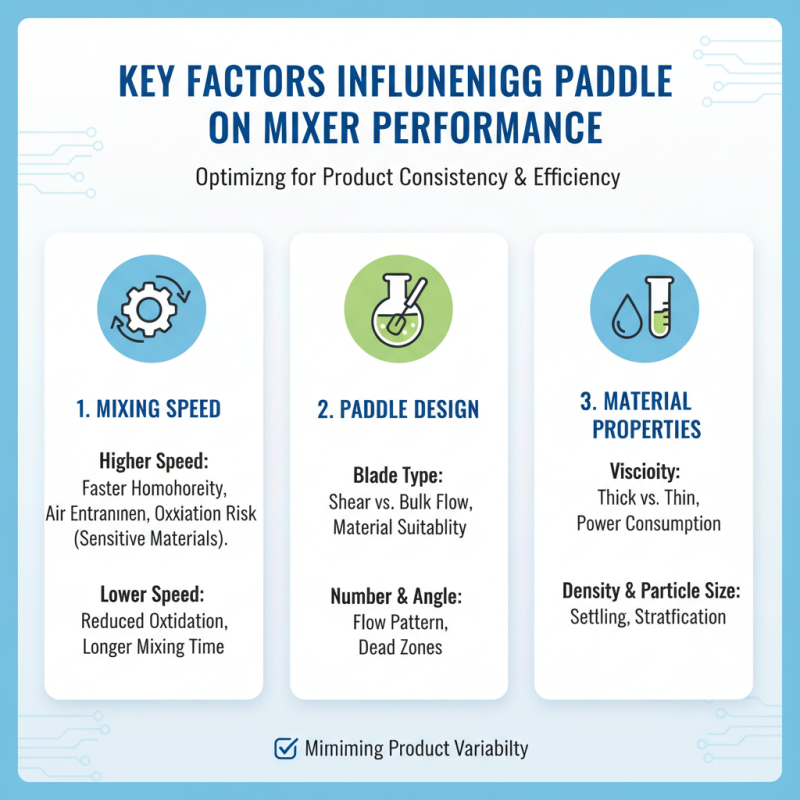
Key Factors Influencing Paddle On Mixer Performance
Paddle on mixers are crucial in various industries, playing a significant role in minimizing product variability. Understanding key factors influencing their performance can greatly enhance efficiency. One study indicated that mixing speed significantly affects homogeneity. Higher speeds may achieve uniformity quickly but can also introduce air, leading to oxidation in sensitive materials.
Another critical factor is the paddles' design. A report from the American Institute of Chemical Engineers suggests that paddle shape and angle can create different flow patterns. For instance, angled paddles improve turbulence and blending in viscous materials. However, finding the right balance in design can be challenging. Overly aggressive paddles may damage fragile components of materials.
Temperature control is also vital. The American Chemical Society found that maintaining optimal temperatures during mixing can preserve the quality of the mixture. If the heat exceeds the desired threshold, it can degrade sensitive ingredients. Many facilities struggle with this, often leading to inconsistent product quality. Analyzing these factors and implementing changes can lead to improved mixer performance, ultimately increasing production efficiency and product reliability.
Best Practices for Efficient Operation of Paddle On Mixers
Operating a paddle on mixer efficiently requires attention to detail. Proper setup and regular maintenance are crucial. Always check the blade alignment. Misaligned blades can lead to uneven mixing, diminishing both performance and product quality.
Monitor the mixing speed. Too fast may cause splashing or undesirable temperature rise. Consider the material’s properties, as viscosity impacts the ideal speed. Remember, a slower mix can enhance homogeneity. Additionally, adjust the duration of mixing depending on your specific application. Sometimes, less is more.
Regularly inspect components for wear and tear. Dull blades can increase energy consumption, leading to production delays. Implement a routine maintenance schedule to catch issues early. Document any changes in performance to identify patterns over time. This awareness fosters continuous improvement in operations.
Regular Maintenance Tips for Longevity of Paddle On Mixers
Regular maintenance is essential for maximizing the performance and lifespan of paddle-on mixers. According to industry reports, improper care can reduce equipment efficiency by up to 30%. This is a significant loss, especially in industries where precision and consistency are key.
To keep your paddle-on mixer operating at peak performance, establish a maintenance schedule. Clean the paddles and tank regularly to prevent material buildup. Lubricate moving parts according to the manufacturer's guidelines. Such attention can prevent unexpected downtimes that disrupt production. Data from maintenance studies show that scheduled upkeep can extend equipment life by 15-25%.
Pay special attention to alignment and calibration. Misalignment can lead to uneven mixing and increased wear. Check motor performance regularly. Any odd sounds or vibrations should be investigated immediately. These signs can indicate problems that, if addressed early, prevent costly repairs down the line. Investing time in routine checks ensures your mixer runs smoothly and efficiently, enhancing overall productivity.
Paddle On Mixer Performance Metrics
Troubleshooting Common Issues with Paddle On Mixers
Paddle On mixers can encounter various issues that affect their performance. One of the most common problems is ineffective mixing. This often results from incorrect paddle size or speed settings. If the paddles are too small, they may not blend ingredients properly. Adjusting the paddle size and enhancing the mixing speed can improve efficiency significantly.
Another frequent issue is overheating. When a mixer runs for extended periods, it may overheat, causing performance declines. Regular maintenance is essential. Ensuring that the cooling vents are clean can help mitigate this problem. If overheating persists, it may indicate a more significant mechanical issue.
Lastly, noise during operation can signal potential problems. Unusual sounds may indicate worn-out parts or misalignment. Regularly inspecting and replacing components as necessary is crucial in maintaining optimal performance. These minor adjustments yield better results and extend the life of the mixer.
Paddle On Mixer Tips for Optimal Performance and Efficiency - Troubleshooting Common Issues with Paddle On Mixers
| Issue |
Possible Causes |
Recommended Solutions |
| Poor Mixing Efficiency |
Incorrect paddle size or shape |
Use the recommended paddle design for your mixture type |
| Excessive Noise |
Loose parts or damaged bearings |
Tighten all bolts and replace damaged bearings |
| Overheating |
Insufficient cooling or overloaded motor |
Ensure proper ventilation and reduce load |
| Unstable Operation |
Improper mounting or imbalance |
Check and secure mounting; balance load appropriately |
| Inconsistent Product Quality |
Variation in mixing time or speed |
Establish and follow consistent mixing protocols |