Top 10 Deep Water Aeration Mixers from China for Global Buyers?
In the diverse field of wastewater treatment, the Type Deep-Water Aeration Mixer has emerged as a critical component. These mixers enhance oxygen levels effectively, promoting healthy aquatic ecosystems. Chinese manufacturers are at the forefront, producing innovative designs that cater to global requirements. Their extensive experience in the industry enables them to deliver high-quality products.
However, selecting the right Type Deep-Water Aeration Mixer can be challenging. Buyers must consider factors such as performance, durability, and energy efficiency. With numerous brands available, some might lack transparency in their specifications. It’s essential to conduct thorough research to avoid poor investment choices. Understanding product capabilities ensures that the right mixer is chosen for specific applications.
This article will showcase the top 10 deep-water aeration mixers from China, offering insights into their features and benefits. This knowledge aims to empower buyers, ensuring informed decisions that align with sustainability goals. The right mixer can significantly impact the efficiency of wastewater treatment processes, underscoring the importance of making thoughtful selections.
Overview of Deep Water Aeration Mixers and Their Importance
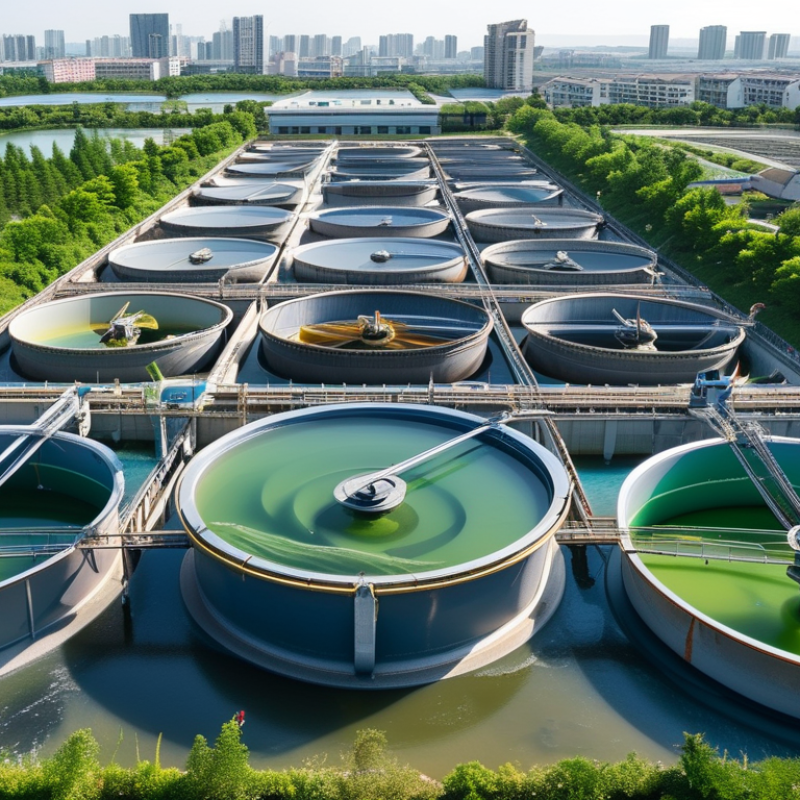
Deep water aeration mixers play a crucial role in the management of aquatic environments. They are essential in enhancing the oxygenation of deeper water layers, which can benefit fish health and promote biological processes. According to a report by the Water Environment Federation, efficient aeration systems can increase oxygen levels by up to 40%, significantly impacting overall water quality.
These mixers create turbulence in stagnant waters, allowing for better mixing and oxygen distribution. This is particularly important in large bodies of water where stratification can occur. Studies have shown that poor oxygen levels can lead to fish kills and lower biodiversity. Proper aeration can mitigate these risks, improving both ecological balance and aquaculture productivity.
While the benefits are clear, challenges exist. Not all mixers are equally effective, and some may require significant maintenance. Users need to consider their specific applications and conditions to choose appropriate models. Miscalculating these needs can lead to inefficiencies, which in turn may influence water health negatively. Continuous evaluation and improvement of aeration systems are key to maximizing their effectiveness in diverse environments.
Key Features to Look for in Deep Water Aeration Mixers
When selecting a deep water aeration mixer, certain key features are crucial. First, consider the motor power. A strong motor ensures effective mixing and aeration even in challenging conditions. Look for a mixer with adjustable speed. This can optimize performance for different water depths and conditions. Durability is also essential. Construction materials should withstand corrosion and harsh environments.
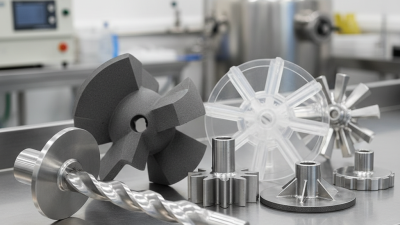
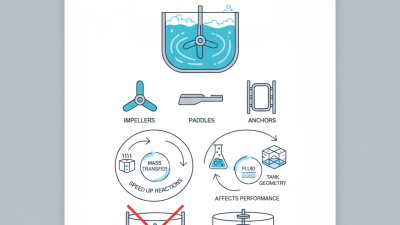
Additionally, investigate the design of the mixing blades. Efficient designs enhance water flow and aeration. Blade shape and size affect performance and energy consumption. A compact design can save space, especially in smaller installations. Pay attention to the ease of maintenance as well. Simple maintenance procedures ensure longevity and reduce downtime.
Lastly, the noise level of the mixer can impact the surrounding environment. Opt for models engineered for quiet operation. The right aeration mixer balances performance and environmental considerations. It’s worth reflecting on how different features align with specific needs. Not every feature may cater to all situations. Understanding these factors ensures a more reliable choice.
Top 10 Deep Water Aeration Mixer Manufacturers in China
China has emerged as a key player in the manufacturing of deep water aeration mixers. These devices are vital for improving water quality by promoting oxygen transfer and mixing in large bodies of water. When considering manufacturers, it’s essential to focus on their expertise and technological advancements. Several companies have developed innovative designs to enhance performance while reducing energy consumption.
The manufacturing landscape in China features a range of companies, each with unique strengths. Some specialize in advanced engineering techniques, while others focus on sustainable practices. This diversity can lead to challenges in choosing a reliable partner. Some manufacturers may lack the experience to meet the specific needs of international markets.
Quality control is another critical factor. Not all companies follow rigorous standards, which can affect the performance of their products. Buyers must conduct thorough research and request information about production processes and certifications. Engaging with manufacturers who emphasize transparency can help unravel potential pitfalls. Looking for those who genuinely address quality issues is crucial for a successful partnership.
Top 10 Deep Water Aeration Mixers from China for Global Buyers
| Rank |
Mixing Capacity (m³/h) |
Power Consumption (kW) |
Depth (m) |
Material |
Warranty (Years) |
| 1 |
800 |
5.5 |
20 |
Stainless Steel |
2 |
| 2 |
750 |
4.0 |
18 |
Plastic |
1.5 |
| 3 |
920 |
6.0 |
25 |
Aluminum |
3 |
| 4 |
680 |
3.5 |
15 |
Carbon Steel |
2 |
| 5 |
850 |
5.0 |
22 |
Fiberglass |
3 |
Comparison of Performance and Pricing of Selected Models
When it comes to deep water aeration mixers, performance and pricing are crucial factors for global buyers. These mixers are essential for maintaining optimal conditions in aquaculture and wastewater treatment systems. Their effectiveness can vary based on design and functionality. Typically, high-efficiency models provide better oxygen transfer rates. However, these often come with a higher price tag.
A deeper dive into the specifications reveals varying features such as motor power and mixing capacity. Buyers need to weigh the cost against the expected performance outcomes. A mixer that is cheaper might save money initially but could result in lower efficiency. Always check the warranty and service options available. This can indicate reliability over time.
Tips: Understand your specific needs before making a decision. Consider long-term operational costs beyond the initial price. Make comparisons across multiple suppliers to find the best deal. Investing in detailed performance data can help identify which mixer will truly meet your aeration needs.
Global Market Trends for Deep Water Aeration Mixers
In recent years, the global market for deep water aeration mixers has seen significant growth. According to a report by MarketsandMarkets, this sector is projected to expand at a compound annual growth rate of 6.2% from 2021 to 2026. This increase is largely driven by rising concerns over water quality and the need for efficient wastewater treatment solutions. Deep water aeration mixers play a crucial role in enhancing oxygen transfer efficiency, which in turn improves the overall treatment process.
The market is characterized by a growing demand in regions such as Asia-Pacific. Countries like China have emerged as major suppliers. A study conducted by ResearchAndMarkets indicated that the Asia-Pacific region accounted for over 40% of the global market share in 2020. This represents a strong opportunity for global buyers looking for reliable and efficient solutions in deep water aeration.
However, challenges persist. Many buyers question the consistency and quality of products from lesser-known manufacturers. Ensuring compliance with international standards is crucial. Buyers need to consider not only the cost but also the reliability and performance of these mixers. The balance between affordability and quality must be maintained to avoid long-term operational issues. Continued innovation in this field will be essential to meet future demands and address these concerns.