Leave Your Message

Why Choose a Screw Dewatering Machine for Sludge?

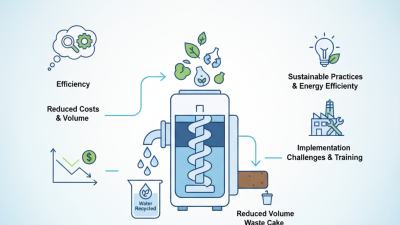
Why Choose a Screw Dewatering Machine for Sludge? The answer begins with practical wastewater treatment demands. Sludge rarely behaves consistently. Its moisture content, fiber level, and organic load can change throughout the day. A Screw Dewatering Machine handles these variations through slow rotation, controlled pressure, and gradual water release. This design can produce a drier sludge cake without relying on high-speed centrifugal force.

Operators value the enclosed structure. It helps reduce splashing, limits odor spread, and keeps the working area cleaner. The machine also uses relatively low power because its screw shaft moves slowly. In a busy treatment plant, that difference can reduce operating noise and energy consumption. Fewer wearing parts may also simplify routine maintenance. Still, performance depends on proper polymer selection, feed concentration, and regular inspection. It is not a universal solution.

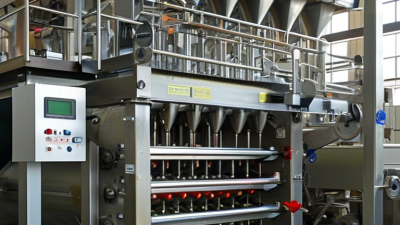
A reliable evaluation should examine more than the equipment brochure. Measure cake dryness, filtrate clarity, throughput, polymer consumption, and daily cleaning time. Check the screw, control panel, and spray system before purchase. Small details matter. For example, unstable sludge feeding can cause poor dewatering, even with a well-built machine. Experienced suppliers should provide test results, operating guidance, and clear maintenance requirements. They should also explain where the machine may perform less effectively.

The Screw Dewatering Machine offers a practical balance between compact design, controlled operation, and manageable maintenance. Its value becomes clearer when matched with real sludge conditions. A careful site test remains the safest decision.
Why Choose a Screw Dewatering Machine for Sludge?

What Is a Screw Dewatering Machine?

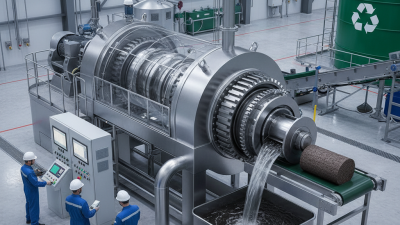
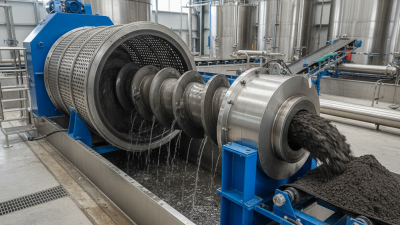
A screw dewatering machine separates water from sludge through slow, continuous mechanical pressure. It usually contains a rotating screw, fixed rings, and a cylindrical screen. Sludge enters the inlet and moves forward inside the unit. Gravity removes free water first. Then, the narrowing space compresses the solids. The machine produces a drier sludge cake and a liquid filtrate.

Its operation is gentle rather than aggressive. Low screw speed helps reduce noise, splashing, and energy use. A dosing system may add polymer before dewatering. Polymer helps small particles gather into larger flocs. These flocs release water more easily. Operators should adjust dosage carefully. Too little polymer creates cloudy filtrate. Too much can increase operating costs and sticky buildup.

From practical operation, this equipment suits municipal, food-processing, and industrial sludge. It performs well when sludge flow remains steady. However, results depend on solids concentration, particle size, and polymer selection. It is not a universal solution. Very sandy sludge may wear the screw and screen faster. Regular inspection matters. Check the screen gaps, spray pipes, seals, and cake discharge. A slightly wetter cake may sometimes be preferable if stable operation matters more than maximum dryness. That trade-off deserves honest evaluation.

Why Choose a Screw Dewatering Machine for Sludge? - What Is a Screw Dewatering Machine?

Data Dimension Typical Information for a Screw Dewatering Machine Practical Significance
Definition A mechanical sludge dewatering unit that uses a slowly rotating screw inside a perforated cylindrical screen. The machine continuously separates liquid from sludge and discharges a drier sludge cake.
Main Separation Method Gravity drainage, screen filtration, screw conveying, and gradual compression. Several dewatering actions occur in one continuous process without high-speed centrifugal force.
Typical Feed Solids Concentration Approximately 0.5%–3.0% total solids for many municipal and industrial sludge applications. The exact acceptable range depends on sludge type, polymer conditioning, and machine design.
Typical Cake Solids Commonly about 15%–30% total solids after proper conditioning and operation. Higher cake solids can reduce sludge volume, hauling frequency, and disposal costs.
Polymer Requirement Polymer conditioning is commonly used; dosage is often in the range of approximately 1–8 kg of active polymer per tonne of dry solids. Actual dosage must be determined by laboratory or pilot testing because sludge characteristics vary considerably.
Screw Operating Speed Usually a low-speed process, commonly around 1–5 revolutions per minute. Low rotational speed helps limit noise, vibration, shear, and energy consumption.
Solids Capture Often approximately 90%–99% with suitable polymer selection and stable operating conditions. Higher solids capture improves filtrate quality and reduces the return load to the treatment process.
Energy Demand Generally low because the screw rotates slowly and the system does not require high-speed centrifugation. Lower energy demand can support economical operation, especially at smaller and medium treatment facilities.
Water Consumption for Cleaning Typically low and mainly used for automatic screen rinsing and routine maintenance. Reduced wash-water demand can lower operating costs and wastewater recycle volume.
Noise and Vibration Generally lower than high-speed mechanical dewatering equipment because of the slow screw speed. This can improve working conditions and simplify installation near occupied areas.
Footprint Typically compact and suitable for skid-mounted or containerized installations. A smaller footprint is useful where available plant space is limited.
Automation Can be integrated with automatic sludge feeding, polymer preparation, torque monitoring, and screen washing. Automation supports stable operation and reduces the need for continuous manual adjustment.
Maintenance Requirements Routine tasks include screen inspection, polymer-system checks, lubrication where required, and wear-part inspection. Simple maintenance procedures can reduce downtime and improve equipment availability.
Best-Fit Applications Municipal wastewater sludge, food-processing sludge, industrial wastewater sludge, and other sludges that respond well to polymer conditioning. It is especially attractive when low energy use, compact installation, low noise, and continuous operation are priorities.

Note: Performance values are typical industry ranges and may vary with sludge type, organic content, particle size, polymer selection, feed concentration, and operating conditions.
How Does Screw Dewatering Separate Sludge from Water?

A screw dewatering machine separates sludge from water through gravity, slow compression, and controlled filtration. Sludge enters a conditioning tank, where a carefully selected polymer helps fine particles join into larger flocs. This step matters. Without stable flocs, water remains trapped between particles.

The conditioned sludge moves into an inclined screw conveyor. As the screw rotates, its flights transport the material toward the discharge end. Water drains through narrow gaps between fixed and moving rings. These openings retain most solids while allowing filtrate to pass into a collection channel. Gradually, the ring spacing becomes tighter, and internal pressure increases. The sludge changes from a wet mixture into a firmer cake.

Operators can adjust screw speed, feed rate, polymer dosage, and outlet pressure. In practical operation, small changes can produce visible differences. A pale, watery cake may indicate weak flocculation or excessive feed. A very dry cake may require more power and cleaning. The machine usually creates less noise and consumes less energy than high-speed centrifuges, but it is not maintenance-free. Grease, hair, and fibrous debris can obstruct the rings. Regular inspection is essential. It is easy to underestimate this. Sludge characteristics also change with seasons, industrial inputs, and biological activity. Reliable performance therefore depends on testing, measured adjustments, and records from actual operating conditions.

Which Sludge Types Suit Screw Dewatering Technology?

Why Choose a Screw Dewatering Machine for Sludge?

Screw dewatering technology suits many sludge types, especially municipal and biological wastewater sludge. It performs well with waste activated sludge, mixed primary sludge, and sludge from food-processing facilities. Fibrous sludge from paper production can also be suitable because the slow screw movement handles solids gently. The machine usually produces less noise and requires less wash water than some high-speed alternatives. It also tolerates continuous operation when sludge characteristics change gradually.

Not every sludge is an easy match. Sludge containing large grit, sharp particles, or excessive free oil may cause wear or unstable dewatering. Very dilute sludge can also demand careful polymer preparation and dosing. Operators should check solids concentration, organic content, viscosity, and particle size before installation. In practice, a pilot test often reveals problems that laboratory data misses. We sometimes expect perfect cake dryness, but real sludge rarely behaves so neatly. That limitation deserves attention.

Tips:

Remove grit before dewatering, and keep polymer mixing consistent. Monitor torque, filtrate clarity, and cake texture during each shift. A crumbly cake may indicate overdosing or insufficient conditioning. A wet cake may reflect low polymer contact, excessive feed flow, or changing sludge quality. Record these changes. Small records become useful evidence when performance drops. Regularly inspect the screen, wash-water system, and transport section. Careful adjustment usually matters more than maximum machine speed.

What Are the Main Benefits of Screw Dewatering Machines?

Why Choose a Screw Dewatering Machine for Sludge?

What Are the Main Benefits of Screw Dewatering Machines?

Screw dewatering machines offer steady, low-speed sludge separation with modest energy demand. The U.S. Environmental Protection Agency reports that wastewater treatment can consume 30–40% of municipal electricity. Reducing avoidable power use therefore matters. Screw presses usually need less energy than high-speed centrifuges, while producing limited noise and vibration. Less noise, too.

Their enclosed design reduces splashing and unpleasant aerosols around the working area. Continuous operation also supports stable sludge handling, especially in small and medium treatment plants. The European Commission’s Best Available Techniques Reference Document highlights energy efficiency, odor control, and resource recovery as important wastewater priorities. These machines fit that direction. They can produce cake commonly around 15–25% dry solids, depending on sludge type and polymer control.

Still, the equipment is not a universal answer. Greasy, fibrous, or poorly conditioned sludge may block the screen and reduce output. Operators must adjust polymer dosage, flushing intervals, and feed concentration. The U.S. EPA’s Biosolids Technology Fact Sheet shows that dewatering performance varies widely with sludge properties and process design. This point is easy to underestimate. Screw presses may also deliver drier cake than basic belt presses, but centrifuges can perform better when maximum dryness is the priority. Real plant trials remain essential before purchase.

How Should a Screw Dewatering Machine Be Selected and Maintained?

Why Choose a Screw Dewatering Machine for Sludge?

Selecting and maintaining a screw dewatering machine requires more than comparing capacity. The U.S. EPA reports that wastewater treatment can consume 30–40% of a municipality’s energy. A screw press may reduce energy demand because it operates at low speed and usually needs less wash water than centrifuges. In practical installations, sludge cake often reaches 15–25% dry solids, according to ranges reported in Water Environment Federation technical guidance. Actual results vary widely.

Selection should begin with sludge testing. Measure polymer demand, volatile solids, grit content, temperature, and hourly flow. A machine sized only by wet sludge volume may fail during rainy periods. Check the manufacturer’s recommended loading rate, screen gap, torque limit, and cake discharge pressure. Leave operating margin. It is easy to underestimate peak flow.

Maintenance is simple, but not optional. Inspect the screen, flushing nozzles, bearings, and polymer system every shift. Remove fibrous debris before it wraps around the screw. Record torque, filtrate clarity, cake moisture, and chemical use. The U.S. EPA’s energy-efficiency guidance encourages routine monitoring because small process losses can become significant operating costs. A clean screen does not guarantee good dewatering. Sometimes the polymer dose is wrong. Sometimes the sludge has changed. Operators should question both the machine and their assumptions.

Why Choose a Screw Dewatering Machine for Sludge?

Typical sludge cake solids content varies by sludge type, polymer conditioning, and operating conditions. Screw presses generally provide moderate dewatering performance with low energy demand, low noise, and relatively simple maintenance.

The values shown are representative midpoints of commonly reported operating ranges: screw presses typically produce about 18–25% cake solids, belt filter presses about 15–25%, centrifuges about 20–30%, and filter presses about 30–40%. Actual results depend on sludge characteristics, polymer dosage, feed concentration, and machine settings.