China Top 10 Double Shaft Paddle Mixer Suppliers?
Demand for industrial mixing equipment is rising as manufacturers seek faster, cleaner, and more consistent material processing. Grand View Research estimates that the global industrial mixer market will continue expanding through 2030, supported by food, chemicals, minerals, pharmaceuticals, and environmental applications. MarketsandMarkets also identifies automation, process control, and energy efficiency as major equipment trends.
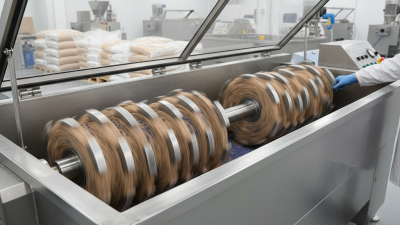
The Double Shaft Paddle Mixer remains important for powders, granules, fibers, sludge, and cohesive blends. Its twin shafts create strong convection and short mixing cycles. Imagine two paddle rows turning through a dense batch, lifting material from the bottom and folding it across the chamber. This action can improve uniformity while reducing dead zones. However, performance depends on paddle design, shaft speed, fill ratio, sealing, and discharge configuration.
This article introduces China’s top 10 Double Shaft Paddle Mixer suppliers for international buyers and engineering teams. The selection should consider manufacturing experience, documented testing, export history, spare-parts support, and customization capability. ISO 9001 certification can indicate structured quality management, but it does not guarantee mixer performance. Factory acceptance tests, material trials, weld inspection, and torque verification still matter.
A supplier website is only a starting point. A polished brochure is not proof. Buyers should request videos, drawings, references, and test data for comparable materials. Supplier rankings can also change as capacity, service, and product quality develop. No shortlist is perfect. This guide therefore combines market visibility with practical evaluation points, helping readers compare Chinese manufacturers more carefully before requesting quotations or planning site trials.
What Is a Double Shaft Paddle Mixer and How Does It Work?
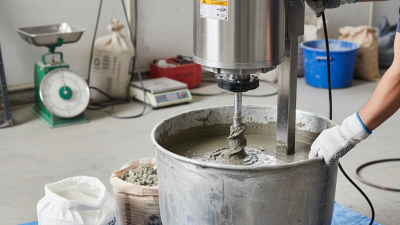
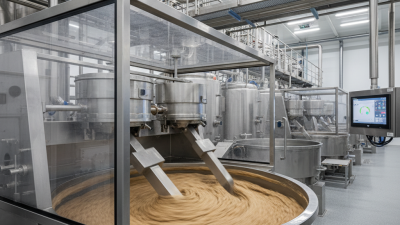
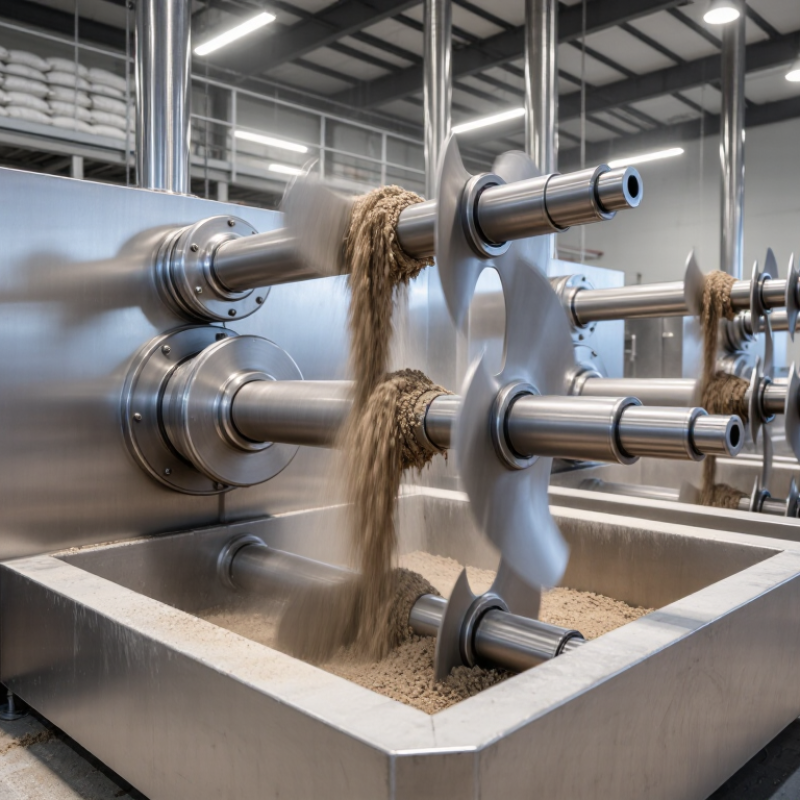
A double shaft paddle mixer is an industrial machine designed to blend powders, granules, fibers, and controlled liquids. Two parallel shafts carry overlapping paddles inside a horizontal mixing chamber. During operation, the shafts rotate in opposite directions. The paddles lift material from the chamber floor and move it across the mixing zone.
The paddles do not simply stir the ingredients. They create a three-dimensional flow, combining upward movement, forward transport, and gentle folding. This action reduces dead spots and usually produces a more uniform mixture than single-shaft equipment. Liquid can enter through spray nozzles while the solids remain in motion. Mixing time depends on moisture, particle size, fill level, and paddle shape. Small changes matter.
In practical tests, operators often check samples from several chamber locations. A clean sample is useful evidence, but one test cannot prove every operating condition. That is an important limitation. Reliable suppliers should provide pilot-testing data, shaft-seal details, wear-resistant paddle options, discharge measurements, and clear maintenance instructions. The mixer should also include guards, emergency stops, and suitable dust-control connections. Inspectors often examine weld quality and access doors closely. These details may appear minor, yet they influence service life, cleaning effort, and production consistency.
Key Standards for Evaluating Chinese Paddle Mixer Suppliers
Choosing among China’s top ten double shaft paddle mixer suppliers requires more than comparing prices. A reliable evaluation starts with technical fit. Check the working volume, batch weight, motor torque, paddle clearance, and expected mixing time. Ask for test data using your actual powder, moisture level, and particle size. Laboratory samples can behave differently from production material.
Factory capability matters as much as the mixer design. Review welding quality, shaft alignment, gearbox selection, sealing structure, and contact-material certificates. Stainless steel grades should match the process and cleaning method. Request inspection records, dimensional drawings, spare-parts lists, and a clear acceptance procedure. Supplier quality systems are useful, but an audit still needs evidence. Visit the workshop when possible. Look closely at assembly areas, measurement tools, and finished-machine storage.
After-sales support is often underestimated. Confirm response times, installation guidance, operator training, and troubleshooting procedures before signing an order. Ask for references from plants with similar loads and abrasive conditions. I once focused too heavily on output capacity and overlooked discharge consistency; that mistake can create expensive rework. No supplier scorecard is perfect. Leave room to challenge test results, verify claims, and record unresolved questions. A short video trial may reveal dead zones, dust leakage, or difficult cleaning points that brochures never show.
China’s Top 10 Double Shaft Paddle Mixer Suppliers
China’s Top 10 Double Shaft Paddle Mixer Suppliers
China’s top ten double shaft paddle mixer suppliers are often evaluated by engineering depth, workshop capacity, and after-sales support. Strong suppliers usually build mixers for powders, granules, feed, chemicals, and construction materials. Their equipment may include carbon steel, stainless steel, or wear-resistant contact parts.
A reliable supplier should explain paddle design, shaft sealing, discharge options, and cleaning access. Ask for material samples before accepting performance claims. A factory test can reveal mixing time, residue, temperature changes, and motor load. Small details matter. Some suppliers offer laboratory trials and customized layouts for limited production spaces.
The best candidates provide drawings, operating manuals, spare-parts lists, and service responses. Check welding quality, gearbox protection, safety guards, and electrical documentation. Export experience is useful, but it should not replace technical evidence. Buyers should compare real test data, not only polished catalog photographs.
Some suppliers may promise extremely short delivery times. That sounds attractive, but it can hide limited customization or rushed inspection. I would request recent reference projects, inspection records, and a clear warranty scope. Even experienced buyers can overlook discharge blockage or difficult maintenance access. A careful comparison of ten qualified Chinese suppliers can reduce these risks and support a more suitable mixer selection.
China Top 10 Double Shaft Paddle Mixer Suppliers
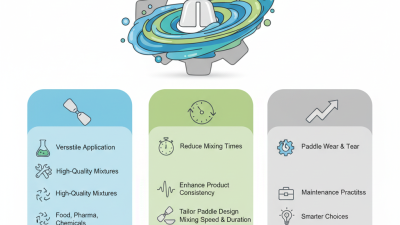
This chart presents a practical buyer-side weighting model for evaluating double shaft paddle mixer suppliers. The criteria cover the technical, operational, safety, and service factors commonly reviewed during industrial mixer procurement. The percentages are evaluation weights, not company rankings, market share, or brand performance data.
Higher weighting indicates greater importance during supplier qualification. Actual requirements may vary according to material characteristics, batch size, hygiene standards, automation level, and installation conditions.
Comparing Supplier Products, Technologies, and Customization Services
China’s top double shaft paddle mixer suppliers often offer similar-looking machines, but their working details differ sharply. A practical comparison starts with the product itself. Check paddle geometry, shaft spacing, trough volume, discharge design, and seal access. A mixer for dry powders needs different wear protection than one handling sticky minerals. Ask for test data using your actual material. Photos are not enough. Measure mixing time, residual material, temperature rise, and power demand. Inspect the welds and internal finish. Small rough areas can retain powder and complicate cleaning.
Technology claims need evidence. Variable-frequency drives can control speed, yet they cannot correct poor loading or weak torque. Compare motor sizing, gearbox service factors, overload protection, and control-panel diagnostics. Load cells, moisture sensors, and recipe controls may improve repeatability, but only when calibrated. Request factory acceptance records and a trial batch report. Ask how technicians verify uniformity. A low-energy design may perform poorly with high-density materials. That detail is easy to miss.
Customization should reach beyond paint and outlet shape.
Suppliers may adjust paddle angles, shaft materials, liner thickness, heating jackets, dust connections, and feeding interfaces. Discuss cleaning time, spare-part availability, installation space, and local service response before signing specifications. I would also request references from plants with comparable throughput. One uncomfortable lesson is that promised capacity can change with moisture and bulk density. We once treated a catalog figure as a guarantee; it was not. Clear acceptance limits prevent later disputes. Still, some proposals remain vague about maintenance access. Press for drawings, tolerances, and documented commissioning support.
How to Select the Right Chinese Paddle Mixer Supplier
Choosing among China’s top 10 double-shaft paddle mixer suppliers requires more than comparing quotations. Industrial mixer market reports from Grand View Research and MarketsandMarkets indicate steady growth, but their market definitions differ. Treat forecasts as direction, not proof.
Start with your material. Record bulk density, moisture, particle size, abrasiveness, and required batch time. Ask each supplier for a documented test using your actual powder. Check whether the test measures mixing uniformity, discharge residue, and power consumption. A mixer that reaches a 5% coefficient of variation may still fail if sticky material remains behind the paddles.
Look beyond the catalogue.
During a supplier audit, inspect weld quality, shaft seals, gearbox protection, and paddle clearance. Request material certificates for product-contact parts, calibration records, and videos of comparable installations. ISO 9001 certification supports process control, but it does not guarantee mixer performance. That distinction is often missed.
Review the mixer’s working volume, not only its total volume. A practical filling range may be 30% to 70%, depending on the material and design.
Confirm cleaning access, spare-part lead times, warranty limits, and local service coverage.
The International Organization for Standardization’s ISO 9001 framework emphasizes documented quality processes; it does not replace factory acceptance testing.
Require a written acceptance protocol. Include noise, leakage, mixing time, batch capacity, and power-load limits. Payment should follow measurable milestones.
One uncomfortable point remains: the cheapest quotation may hide thinner paddles, weaker seals, or expensive future downtime. Sometimes, the most polished supplier still needs closer questioning.